|
|
| (5 versions intermédiaires par le même utilisateur non affichées) |
| Ligne 17 : |
Ligne 17 : |
| }} | | }} |
|
| |
|
| In our exploration of economic developments from 1973 to 2007, we delve into a crucial period that has shaped the contemporary global economic landscape. This era, marked by profound changes and major challenges, saw the world go through significant economic and social transitions. Beginning with the first oil shock in 1973, which shook the foundations of the global economy, we have witnessed a series of events and policies that have redefined international economic relations, labour market structures and the management of environmental resources.
| | 在对 1973 年至 2007 年经济发展的探索中,我们深入研究了塑造当代全球经济格局的关键时期。在这个以深刻变革和重大挑战为标志的时代,世界经历了重大的经济和社会转型。从 1973 年第一次石油冲击动摇了全球经济的基础开始,我们目睹了一系列重新定义国际经济关系、劳动力市场结构和环境资源管理的事件和政策。 |
|
| |
|
| This period also saw the rise of neo-liberalism, with figures such as Margaret Thatcher and Ronald Reagan challenging the principles of the welfare state and ushering in an era of market liberalisation and economic globalisation. The impact of these policies, coupled with rapid technological change and globalisation, led to profound transformations in the structure of employment, exacerbating inequalities and reshaping social dynamics.
| | 这一时期还见证了新自由主义的兴起,撒切尔夫人和罗纳德-里根等人挑战了福利国家的原则,开创了市场自由化和经济全球化的时代。这些政策的影响,加上快速的技术变革和全球化,导致了就业结构的深刻变革,加剧了不平等现象,重塑了社会动态。 |
|
| |
|
| In exploring this pivotal period, we seek to understand how the decisions, crises and innovations of these thirty-four years not only shaped the course of economic history, but also continue to influence the economic and social realities of today. This review offers an insight into the forces that have shaped our modern world and the lessons we can learn to navigate the uncertain future of the global economy.
| | 在探讨这一关键时期时,我们试图了解这三十四年间的决策、危机和创新如何不仅塑造了经济史的进程,而且还继续影响着当今的经济和社会现实。通过这本评论,我们可以深入了解塑造现代世界的各种力量,以及我们在全球经济不确定的未来中可以汲取的经验教训。 |
|
| |
|
| =Global Impact of Oil Shocks and Ecological Awakening= | | =石油冲击和生态觉醒的全球影响= |
|
| |
|
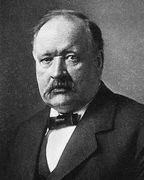
| The evolution of ecology and environmental awareness, as you have described it, dates back to the 19th century and includes major contributions to the field of environmental science. Ernst Haeckel, a German naturalist, played a pioneering role by introducing the term "ecology" in 1866. This term, derived from the Greek "oikos" meaning "home" or "environment", and "logos" meaning "study", was used by Haeckel to describe the science of the relationships of organisms with their environment and with each other. This definition laid the foundations for modern understanding of ecological interactions. Long before Haeckel, the French physicist Joseph Fourier had already theorised about the greenhouse effect in 1825. He proposed that the Earth's atmosphere could act like the envelope of a greenhouse, retaining heat and thus affecting the planet's climate. This theory was later verified by the Swedish chemist Svante Arrhenius, who established a relationship between carbon dioxide concentrations in the atmosphere and the Earth's temperature, laying the foundations for our current understanding of climate change. At the same time, George Perkins Marsh, a British naturalist, highlighted the impact of human activity on nature in 1864. In his book, he highlighted the way in which human actions modified the environment, marking one of the first acknowledgements of human ecological impact. These discoveries and theories laid the foundations for modern ecology and environmental science. However, although these concepts were developed in the nineteenth century, they did not immediately lead to significant changes in policy or public perception. It was not until the twentieth century that the importance of these ideas was fully recognised, leading to their deeper integration into environmental policy and public awareness.
| | 正如您所描述的那样,生态学和环境意识的演变可以追溯到 19 世纪,其中包括对环境科学领域的重大贡献。德国博物学家恩斯特-海克尔(Ernst Haeckel)于 1866 年提出了 "生态学 "一词,发挥了先驱作用。这个词源自希腊语 "oikos",意为 "家园 "或 "环境","logos "意为 "研究",海克尔用它来描述生物与环境以及生物之间关系的科学。这一定义为现代人理解生态互动奠定了基础。早在海克尔之前,法国物理学家约瑟夫-傅里叶在 1825 年就提出了温室效应的理论。他提出,地球的大气层可以像温室的外壳一样,保留热量,从而影响地球的气候。这一理论后来被瑞典化学家斯凡特-阿伦尼乌斯(Svante Arrhenius)验证,他建立了大气中二氧化碳浓度与地球温度之间的关系,为我们现在了解气候变化奠定了基础。与此同时,英国博物学家乔治-帕金斯-马什于 1864 年强调了人类活动对自然的影响。他在书中强调了人类活动改变环境的方式,是最早承认人类对生态影响的人之一。这些发现和理论为现代生态学和环境科学奠定了基础。然而,尽管这些概念是在 19 世纪提出的,但它们并没有立即导致政策或公众观念的重大改变。直到二十世纪,人们才充分认识到这些理念的重要性,从而将其更深入地融入环境政策和公众意识中。 |
|
| |
|
| <gallery mode="packed"> | | <gallery mode="packed"> |
| Fichier:Ernst Haeckel 1860.jpg|Ernst Haeckel in 1860. | | Fichier:Ernst Haeckel 1860.jpg|恩斯特-海克尔(Ernst Haeckel),1860 年。 |
| Fichier:Arrhenius2.jpg|Svante August Arrhenius. | | Fichier:Arrhenius2.jpg|斯凡特-奥古斯特-阿伦尼乌斯 |
| </gallery> | | </gallery> |
|
| |
|
| The Club of Rome's "Stop Growth" report in 1972 represented a significant turning point in global awareness of environmental and economic issues. The report brought together politicians, academics and scientists, uniting diverse fields of expertise to theorise scientific ecology in a global context. At the heart of the report was the modelling of interactions between human activities and the natural environment. The team used advanced computer models to simulate the impacts of human actions on nature and their potential feedback on human societies. These models have brought to light the reality of our planet's environmental limits and finite resources, a concept that has received little media coverage until now. One of the most striking aspects of the report concerned essential resources such as coal and oil. The Club of Rome drew attention to the fact that these resources are not only finite, but that their uncontrolled exploitation could lead to their exhaustion. The modelling of the end of oil fields particularly sounded the alarm, given the central role of oil in the economies of Western countries. The report also emphasised that even renewable resources are not inexhaustible. Over-exploitation can lead to a point of no return, where the natural capacity for regeneration is exceeded, leading to their exhaustion. "Stop Growth" has played a crucial role in raising awareness of ecological limits and the need for sustainable resource management. It paved the way for more in-depth discussions on sustainable development and the environmental impact of economic policies, considerably influencing ecological and economic thinking in the decades that followed.
| | 1972 年罗马俱乐部的 "停止增长 "报告是全球对环境和经济问题认识的一个重要转折点。该报告汇集了政治家、学者和科学家,将不同领域的专业知识结合起来,在全球范围内对科学生态学进行了理论探讨。报告的核心是模拟人类活动与自然环境之间的相互作用。研究小组利用先进的计算机模型模拟人类活动对自然的影响及其对人类社会的潜在反馈。这些模型揭示了地球环境极限和资源有限的现实,而在此之前,媒体很少报道这一概念。报告中最引人注目的内容之一涉及煤炭和石油等基本资源。罗马俱乐部提请人们注意,这些资源不仅是有限的,而且无节制的开采可能导致资源枯竭。鉴于石油在西方国家经济中的核心作用,油田枯竭的模型尤其敲响了警钟。报告还强调,即使是可再生资源也不是取之不尽、用之不竭的。过度开采会导致不归路,即超过自然再生能力,从而导致资源枯竭。"停止增长 "在提高人们对生态极限和可持续资源管理必要性的认识方面发挥了至关重要的作用。它为更深入地讨论可持续发展和经济政策对环境的影响铺平了道路,极大地影响了此后几十年的生态和经济思想。 |
|
| |
|
| The first oil shock in 1973, triggered by the Arab-Israeli Yom Kippur war, marked a crucial moment in the world's awareness of the finiteness of resources, particularly oil. The attack on Israel by Egyptian and Syrian forces led to a major retaliation by the member countries of the Organisation of the Petroleum Exporting Countries (OPEC), which reduced their production and marketing of oil. This action resulted in a spectacular rise in oil prices and shortages in several countries, particularly in the industrialised West. This oil shock had a profound impact on the global economy, but it also played an important role in raising awareness of the world's dependence on non-renewable energy resources. The event reinforced the legitimacy of the Club of Rome's warnings, expressed a year earlier in their "Stop Growth" report, which warned of the dangers of over-exploiting limited natural resources. Trips to the Moon, notably NASA's Apollo missions, also played a role in changing the world's perception of planet Earth. Seeing the Earth from space offered a unique and unifying perspective on the planet, emphasising its finite and fragile nature. This 'externalisation' of our planet, as you have described it, has contributed to a growing awareness of the existence of a common planet and has had a significant impact on international relations. It has served to reinforce the idea that environmental challenges require cooperation and a global approach. The oil crisis of 1973, combined with space exploration and the warnings of the Club of Rome, contributed to a fundamental change in the way the Earth's resources are perceived and managed, leading to policies more geared towards sustainability and international cooperation on environmental issues.
| | 1973 年阿以赎罪日战争引发的第一次石油冲击标志着世界意识到资源,尤其是石油有限性的关键时刻。埃及和叙利亚军队对以色列的袭击导致石油输出国组织(欧佩克)成员国采取重大报复行动,减少了石油生产和销售。这一行动导致油价暴涨,多个国家出现石油短缺,尤其是在西方工业化国家。这次石油冲击对全球经济产生了深远影响,但也在提高世界对不可再生能源依赖性的认识方面发挥了重要作用。一年前,罗马俱乐部在其 "停止增长 "报告中发出警告,提醒人们过度开发有限自然资源的危险,这次事件增强了这些警告的合理性。登月旅行,特别是美国国家航空航天局的阿波罗任务,也在改变世界对地球的看法方面发挥了作用。从太空看地球提供了一个独特而统一的视角,强调了地球的有限性和脆弱性。正如你所描述的那样,地球的这种 "外部化 "促使人们日益认识到地球是一个共同的星球,并对国际关系产生了重大影响。它强化了这样一种观念,即环境挑战需要合作和全球性的方法。1973 年的石油危机,加上太空探索和罗马俱乐部的警告,促使人们从根本上改变了对地球资源的认识和管理方式,从而制定了更加注重可持续性和环境问题国际合作的政策。 |
|
| |
|
| The United Nations Conference on Environment and Development, more commonly known as the Rio Conference of 1992, marked a decisive step in the way the world approaches development and environmental conservation issues. The conference introduced the concept of sustainable development to the heart of international policy, a concept that seeks to balance the need for economic and social development with the preservation of natural resources for future generations. The principle of sustainable development, as established at Rio, represents a significant paradigm shift. It recognised that economic growth should not be achieved at the expense of the environment, and emphasised the importance of considering long-term environmental impacts in the planning and implementation of development policies. This concept encouraged nations to rethink their approaches to economic progress, orienting them towards more sustainable and environmentally friendly methods. The conference also highlighted the tension between national interests and globalisation. Environmental challenges, such as climate change and biodiversity loss, know no national boundaries and require international cooperation to be effectively addressed. This has posed challenges to the system for representing the world, as the interests and capacities of different states vary considerably. The Rio Conference laid the foundations for a new way of thinking and acting on a global scale, recognising that the well-being of people and the health of our planet are inextricably linked. This recognition led to the adoption of more sustainable policies and practices in many countries, and has influenced international discussions and actions in the decades since.
| | 联合国环境与发展会议(通常称为 1992 年里约会议)标志着世界在处理发展和环境保护问题的方式上迈出了决定性的一步。会议将可持续发展的概念引入了国际政策的核心,这一概念旨在平衡经济和社会发展的需要与为子孙后代保护自然资源的需要。里约会议确立的可持续发展原则代表着模式的重大转变。它认识到经济增长不应以牺牲环境为代价,并强调在规划和实施发展政策时必须考虑对环境的长期影响。这一理念鼓励各国重新思考其经济进步的方法,使其朝着更加可持续和环境友好的方向发展。会议还强调了国家利益与全球化之间的矛盾。气候变化和生物多样性丧失等环境挑战不分国界,需要国际合作才能有效应对。这对代表世界的体系提出了挑战,因为不同国家的利益和能力差异很大。里约会议为在全球范围内采取新的思维和行动方式奠定了基础,认识到人类的福祉与地球的健康密不可分。这一认识促使许多国家采取了更加可持续的政策和做法,并对此后几十年的国际讨论和行动产生了影响。 |
|
| |
|
| =Recession: Analysis from 1973 to 1990= | | =衰退: 1973 年至 1990 年的分析= |
|
| |
|
| The Great Depression that marked the end of the twentieth century in the Western world is distinguished by its unique nature and characteristics, different from previous economic crises. This period was defined by a series of economic phenomena which, taken together, created a difficult and complex economic context. One of the most significant aspects of this period was the marked slowdown in the growth of per capita Gross National Product (GNP). Between 1971-1973 and 1991-1993, this growth fell to around 1.9% per annum, a marked decline compared with the average of 3.1% observed between 1950 and 1971. This slowdown in growth signalled a decline in economic momentum and a reduction in the increase in per capita wealth. This period was also characterised by a combination of inflation and economic stagnation, a phenomenon often referred to as "stagflation". Inflation, which manifests itself as a general increase in prices, occurred simultaneously with low or non-existent economic growth. This presented unique challenges for policymakers, as traditional strategies to combat inflation could exacerbate stagnation, and vice versa. In addition, rising unemployment was another key feature of this period. Rising unemployment, together with slower economic growth and inflation, created a climate of uncertainty and economic hardship for many people. This period was not an economic crisis in the traditional sense. Unlike a recession or economic depression characterised by a rapid and deep contraction of the economy, this period can be better described as a prolonged phase of weak economic growth, accompanied by a variety of other economic problems. This situation required innovative political and economic responses to stimulate growth, while managing inflation and unemployment.
| | 标志着西方世界二十世纪末的大萧条具有不同于以往经济危机的独特性质和特征。这一时期由一系列经济现象所决定,这些现象共同造成了艰难而复杂的经济环境。这一时期最重要的现象之一是人均国民生产总值(GNP)的增长明显放缓。从 1971-1973 年到 1991-1993 年,人均国民生产总值的年增长率下降到 1.9%左右,与 1950-1971 年间 3.1%的平均增长率相比明显下降。增长放缓表明经济势头减弱,人均财富增长减少。这一时期的另一个特点是通货膨胀和经济停滞并存,这种现象通常被称为 "滞胀"。通货膨胀表现为物价的普遍上涨,与此同时,经济增长却很低或根本没有增长。这给政策制定者带来了独特的挑战,因为打击通货膨胀的传统战略可能会加剧经济停滞,反之亦然。此外,失业率上升是这一时期的另一个主要特征。失业率上升,加上经济增长放缓和通货膨胀,给许多人带来了不确定性和经济困难。这一时期并非传统意义上的经济危机。与以经济迅速深度萎缩为特征的经济衰退或经济萧条不同,这一时期更适合描述为一个长期的经济增长乏力阶段,同时伴随着各种其他经济问题。在这种情况下,需要采取创新的政治和经济对策来刺激经济增长,同时控制通货膨胀和失业。 |
|
| |
|
| ==Dynamics of the Slowdown in Economic Growth== | | ==经济增长放缓的动态变化== |
|
| |
|
| The slowdown in economic growth during this period, although less severe than the Great Depression of the 1930s, bears some similarities to periods of low economic growth in the past. The comparison with the inter-war years is apt, as this period was also marked by economic instability and fluctuating growth rates. It is important to note that economic terms such as "recession" and "depression" are often defined by specific criteria. A depression is generally characterised by a deeper and more prolonged economic contraction than that seen in a recession. Although the slowdown at the end of the 20th century did not reach the scale or severity of the Great Depression of the 1930s, it nevertheless represented a period of significant economic difficulty, with stagnant growth, high inflation and increased unemployment. This interpretation highlights the complexity of the economic situation at the time and shows how, even in the absence of a major economic crisis like that of the 1930s, a prolonged downturn can have considerable repercussions on society and the economy. This period therefore required tailored political and economic responses to meet these unique challenges.
| | 这一时期的经济增长放缓虽然不如 20 世纪 30 年代的大萧条那么严重,但也与过去的低经济增长时期有一些相似之处。与二战期间进行比较是恰当的,因为这一时期的特点也是经济不稳定和增长率起伏不定。需要注意的是,"衰退 "和 "萧条 "等经济术语通常是按照特定标准定义的。与衰退相比,萧条的特点通常是经济萎缩程度更深、持续时间更长。虽然 20 世纪末的经济放缓没有达到 20 世纪 30 年代大萧条的规模或严重程度,但它代表了一个经济困难的时期,增长停滞、通货膨胀率高、失业率上升。这一解释凸显了当时经济形势的复杂性,并说明了即使没有发生像 20 世纪 30 年代那样的重大经济危机,长期的经济衰退也会对社会和经济造成相当大的影响。因此,这一时期需要有针对性的政治和经济对策来应对这些独特的挑战。 |
|
| |
|
| ==Triptych of the Causes of the Economic Slowdown== | | ==经济放缓原因三部曲== |
|
| |
|
| ===Impact and repercussions of the 1973-1974 and 1979-1980 oil shocks=== | | ===1973-1974 年和 1979-1980 年石油冲击的影响和反响=== |
| The year 1973 represented a major turning point for Western economies, particularly in terms of their dependence on oil. The oil crisis of 1973, triggered by the Yom Kippur War, had a profound impact on the world economy, particularly on Western countries. The Yom Kippur War began with a surprise attack by Arab armies on Israel. The Israeli counter-attack provoked a significant reaction from the Arab oil-producing countries. In response to Western support for Israel, these countries, members of the Organisation of the Petroleum Exporting Countries (OPEC), decided to drastically reduce their oil production. This reduction in supply, combined with persistently high demand, has led to a spectacular rise in oil prices. The price of oil tripled in 1973, making the Western economy much more expensive to run. This rise in energy costs led to widespread inflation and affected many sectors of the economy, including transport, manufacturing and even home heating. This crisis has highlighted the vulnerability of Western economies to fluctuating oil prices and their dependence on imported oil. It also stimulated the search for alternative sources of energy and reflection on energy policies and energy security, concerns that remained relevant in the decades that followed.
| | 1973 年是西方经济的一个重要转折点,尤其是在对石油的依赖方面。赎罪日战争引发的 1973 年石油危机对世界经济,尤其是西方国家产生了深远影响。赎罪日战争始于阿拉伯军队对以色列的突然袭击。以色列的反击引起了阿拉伯产油国的强烈反应。作为对西方支持以色列的回应,这些石油输出国组织(OPEC)成员国决定大幅削减石油产量。供应的减少加上需求的持续高涨,导致了石油价格的惊人上涨。石油价格在 1973 年上涨了两倍,使西方经济的运行成本大大增加。能源成本的上涨导致了广泛的通货膨胀,并影响到许多经济部门,包括运输、制造甚至家庭取暖。这场危机凸显了西方经济受油价波动影响的脆弱性及其对进口石油的依赖性。危机还促使人们寻找替代能源,并对能源政策和能源安全问题进行反思,这些问题在随后的几十年中一直备受关注。 |
|
| |
|
| The second oil crisis in 1979 served as a stark reminder to European countries and other industrialised nations of their heavy dependence on imported oil. This crisis was triggered by a number of factors, not least the Iranian revolution, which led to a significant drop in oil production in Iran, one of the main oil exporters at the time. The drop in Iranian production, combined with fears of increased political instability in the region, led to a sharp rise in oil prices. Prices almost doubled, with considerable economic effects around the world. As with the first oil shock in 1973, this price rise had a direct impact on economies that relied heavily on imported oil, particularly European economies. The second oil shock highlighted the vulnerability of oil-importing countries and underlined the need to diversify energy sources. This led to a growing awareness of the need to develop alternative and renewable energy sources, as well as to improve energy efficiency. In addition, the crisis has stimulated increased interest in national and international energy policies aimed at reducing dependence on oil and enhancing energy security.
| | 1979 年的第二次石油危机让欧洲国家和其他工业化国家清醒地认识到它们对进口石油的严重依赖。这次危机是由多种因素引发的,尤其是伊朗革命导致当时的主要石油出口国之一伊朗的石油产量大幅下降。伊朗产量的下降,加上对该地区政治不稳定加剧的担忧,导致石油价格急剧上涨。价格几乎翻了一番,对全球经济造成了相当大的影响。与 1973 年的第一次石油冲击一样,这次价格上涨对严重依赖进口石油的经济体,特别是欧洲经济体产生了直接影响。第二次石油冲击凸显了石油进口国的脆弱性,强调了能源多样化的必要性。这使人们日益认识到开发替代能源和可再生能源以及提高能源效率的必要性。此外,危机还激发了人们对旨在减少对石油的依赖和加强能源安全的国家和国际能源政策的更大兴趣。 |
|
| |
|
| ===Consequences of the end of the Bretton Woods Agreement in 1973=== | | ===1973 年《布雷顿森林协定》终止的后果=== |
| The end of the Bretton Woods Agreement in 1973 marked a decisive turning point in the international monetary system. Set up in 1944, these agreements had established a system of fixed exchange rates, in which the currencies of the member countries were linked to the US dollar, itself convertible into gold. The dissolution of this system led to profound changes in global economic dynamics. With the break-up of the Bretton Woods agreement, exchange rates are no longer fixed but floating, meaning that they can vary freely in response to market forces. This transition to floating exchange rates has introduced a much higher level of uncertainty and volatility into international economic relations. Exchange rate stability, hitherto guaranteed by the Bretton Woods system, was fundamental to international trade and investment. The end of this stability has had major consequences. Currencies considered to be weak were particularly vulnerable to speculation and were often devalued. In addition, as the US dollar was no longer pegged to gold, its value became subject to greater fluctuations, adding to the uncertainty and complexity of international trade. This period of transition also required adjustments in national economic policies and prompted further reflection on the mechanisms for regulating foreign exchange markets and international monetary cooperation. The end of the Bretton Woods agreements marked a new era in world finance, characterised by greater flexibility but also by greater currency instability.
| | 1973 年《布雷顿森林协定》的终止标志着国际货币体系的一个决定性转折点。这些协定于 1944 年制定,建立了一个固定汇率体系,其中成员国的货币与美元挂钩,美元本身可兑换成黄金。这一体系的解体导致全球经济动态发生了深刻变化。随着布雷顿森林协定的解体,汇率不再是固定的,而是浮动的,这意味着汇率可以随着市场力量的变化而自由变动。向浮动汇率的过渡给国际经济关系带来了更大的不确定性和波动性。迄今由布雷顿森林体系保证的汇率稳定是国际贸易和投资的基础。这种稳定性的终结产生了重大影响。被认为疲软的货币特别容易受到投机行为的影响,往往会贬值。此外,由于美元不再与黄金挂钩,其价值波动也变得更大,增加了国际贸易的不确定性和复杂性。这一过渡时期也要求各国调整经济政策,并促使人们进一步思考外汇市场和国际货币合作的监管机制。布雷顿森林协定的结束标志着世界金融进入了一个新时代,其特点是灵活性更大,但货币的不稳定性也更强。 |
|
| |
|
| The formation of the European Union (EU) and its evolution in monetary policy reflect a response to the challenges posed by exchange rate fluctuations, particularly after the end of the Bretton Woods agreements. Initially, the EU was primarily a free trade market, where the free movement of goods, services and capital was a fundamental principle. However, exchange rate volatility after 1973 posed significant challenges to maintaining economic and trade stability within the Union. In response to this instability, several European countries took the initiative of linking their currencies to the Deutschemark, which was considered to be one of the strongest and most stable currencies at the time. This gave rise to the "European currency snake", a mechanism designed to limit exchange rate fluctuations between certain European currencies. The currency snake was an attempt to stabilise exchange rates by keeping them within limited fluctuation margins against the Deutschemark. The European currency snake can be seen as a precursor to the deeper monetary integration that led to the creation of the euro. By attempting to stabilise exchange rates between the currencies of the member countries, this mechanism laid the foundations for closer economic and monetary cooperation in Europe. It has also underlined the importance of monetary policy coordination for the success of a free trade market, particularly in a context where economies are closely interconnected. The European monetary snake was an important step in the process of European integration, ultimately leading to the creation of the euro and the establishment of Economic and Monetary Union, which has strengthened economic integration and monetary stability within the EU.
| | 欧洲联盟(欧盟)的成立及其货币政策的演变反映了对汇率波动带来的挑战的回应,尤其是在布雷顿森林协定结束之后。最初,欧盟主要是一个自由贸易市场,货物、服务和资本的自由流动是其基本原则。然而,1973 年后的汇率波动对维持欧盟内部的经济和贸易稳定构成了重大挑战。为了应对这种不稳定性,一些欧洲国家主动将本国货币与当时被认为是最坚挺、最稳定的货币之一的德国马克挂钩。这就产生了 "欧洲货币蛇",一种旨在限制某些欧洲货币之间汇率波动的机制。欧洲货币蛇 "试图通过将汇率保持在相对于德国马克的有限波动幅度内来稳定汇率。欧洲 "货币蛇 "可以被视为深化货币一体化的先驱,而货币一体化的深化导致了欧元的诞生。通过试图稳定成员国货币之间的汇率,这一机制为欧洲更紧密的经济和货币合作奠定了基础。它还凸显了货币政策协调对于自由贸易市场成功的重要性,尤其是在各经济体紧密相连的情况下。欧洲货币蛇形结构 "是欧洲一体化进程中的重要一步,最终促成了欧元的诞生和经济与货币联盟的建立,加强了欧盟内部的经济一体化和货币稳定性。 |
|
| |
|
| The link between the "European monetary snake" and the 1973 oil crisis, as well as the labelling of oil in dollars, is indeed significant in the context of monetary developments in Europe. The oil crisis highlighted the vulnerability of European economies to fluctuations in the US dollar, since oil, a vital resource, was mainly traded in dollars. This situation exacerbated the effects of the oil crisis in Europe, making European economies even more sensitive to variations in the dollar exchange rate. Against this backdrop, the "European currency snake" was an attempt to stabilise European currencies by pegging them to the Deutschemark, thereby reducing their vulnerability to fluctuations in the dollar. By harmonising the values of the various European currencies around the Deutschemark, the member countries sought to mitigate the impact of external shocks and promote greater economic stability within Europe. The adoption of the euro can be seen as a continuation and amplification of this logic. The euro began as a financial currency, used in accounting and financial transactions, before becoming a real currency in circulation. This process was both a simplification - replacing several national currencies with a single common currency - and a major political decision, reflecting a deep commitment to European unification and integration. The creation of the euro marked an important stage in the process of European integration. It represented not only monetary unification but also a shared commitment to deeper economic integration. This underlined the willingness of EU member countries to work closely together to address global economic challenges, and to consolidate their integration to strengthen their economic stability and prosperity.
| | 从欧洲货币发展的角度来看,"欧洲货币之蛇 "与 1973 年石油危机以及以美元标示石油之间的联系确实意义重大。石油危机凸显了欧洲经济易受美元波动影响的脆弱性,因为石油这一重要资源主要以美元交易。这种情况加剧了石油危机对欧洲的影响,使欧洲经济对美元汇率的变化更加敏感。在此背景下,"欧洲货币蛇 "试图通过将欧洲货币与德国马克挂钩来稳定欧洲货币,从而降低其受美元波动影响的脆弱性。通过围绕德国马克协调各种欧洲货币的价值,成员国试图减轻外部冲击的影响,并促进欧洲内部经济的进一步稳定。欧元的采用可以看作是这一逻辑的延续和放大。欧元最初是一种金融货币,用于会计和金融交易,后来才成为真正的流通货币。这一过程既是一个简化过程--用单一的共同货币取代多个国家货币--也是一个重大的政治决定,反映了对欧洲统一和一体化的坚定承诺。欧元的诞生标志着欧洲一体化进程进入了一个重要阶段。它不仅代表着货币的统一,也代表着对深化经济一体化的共同承诺。这凸显了欧盟成员国密切合作应对全球经济挑战、巩固一体化以加强经济稳定和繁荣的意愿。 |
|
| |
|
| ===Analysis of the slowdown in productivity gains=== | | ===对生产率增长放缓的分析=== |
| During the period in question, Western economies, particularly in Europe and the United States, faced a significant slowdown in productivity gains, which posed considerable challenges to their economic growth. After a period of rapid productivity growth in the decades following the Second World War, largely due to technological innovations and improvements in industrial efficiency, the 1970s marked a change. The pace of productivity gains began to decline, a phenomenon attributable to a number of factors, including a plateau in technological innovation, reduced investment in certain key sectors, and saturation in the improvement of existing production processes. This slowdown in innovation has had a direct impact on productivity growth. Innovation is a key driver of productivity growth, and when it falters, this tends to slow the economy as a whole. This can be the result of reduced investment in research and development, a lack of revolutionary new technologies, or the difficulty of continuing to improve existing production methods. Alongside this slowdown in productivity growth, Western economies have also experienced periods of high inflation and rising unemployment, a situation often referred to as 'stagflation'. This combination of economic stagnation and high inflation has presented a complex challenge for policymakers. Traditional measures to combat inflation could exacerbate the problem of unemployment, and vice versa, making management of the economy particularly difficult. These economic challenges required nuanced policy responses and led to reforms in various areas. Governments have had to revise their monetary policies, regulate the labour market more effectively and encourage innovation and investment to stimulate growth and combat economic stagnation. This period has therefore been marked by a search for balance between various economic objectives, while trying to navigate a changing global economic environment.
| | 在这一时期,西方经济体,尤其是欧洲和美国,面临着生产率增长显著放缓的问题,这对其经济增长构成了巨大挑战。在第二次世界大战后的几十年里,主要由于技术创新和工业效率的提高,生产率出现了快速增长。生产率提高的速度开始下降,这一现象可归因于多种因素,包括技术创新的停滞、某些关键部门投资的减少以及现有生产流程改进的饱和。创新放缓对生产率增长产生了直接影响。创新是生产力增长的主要驱动力,一旦创新出现问题,往往会导致整个经济放缓。这可能是研发投资减少、缺乏革命性新技术或难以继续改进现有生产方法的结果。在生产力增长放缓的同时,西方经济体也经历了高通胀和失业率上升的时期,这种情况通常被称为 "滞胀"。经济停滞和高通胀的结合给政策制定者带来了复杂的挑战。打击通货膨胀的传统措施可能会加剧失业问题,反之亦然,这使得经济管理变得尤为困难。这些经济挑战要求采取细致入微的政策应对措施,并导致各个领域的改革。各国政府必须修订货币政策,更有效地调控劳动力市场,鼓励创新和投资,以刺激增长,消除经济停滞。因此,这一时期的特点是在各种经济目标之间寻求平衡,同时努力驾驭不断变化的全球经济环境。 |
|
| |
|
| ==Inflation: Origins and Consequences== | | ==通货膨胀: 起源与后果== |
|
| |
|
| Inflation, which translates into higher retail prices, is closely linked to the law of supply and demand. This fundamental economic principle states that when demand for goods and services exceeds available supply, prices tend to rise. Conversely, if supply is abundant and demand is low, prices tend to fall. In a context where consumption is high and supply is unable to keep up, as you mentioned, upward pressure on prices arises, leading to inflation. This can happen for a variety of reasons, such as limitations in production capacity, logistical problems, or shortages of raw materials. On the other hand, if the economy is able to produce goods and services at low cost and in sufficient quantity to meet demand, inflation can be kept relatively low. During a normal period, an inflation rate of 9% is indeed considered high. Such a level of inflation can reduce the purchasing power of consumers and have a negative impact on the economy. In the European context of the time you mention, characterised by economic challenges such as oil shocks and exchange rate variations after the end of the Bretton Woods agreements, a high inflation rate was not unusual. These external factors, combined with domestic economic policies, contributed to higher than normal inflation. This period of high inflation posed considerable challenges for European governments and central banks, which had to find ways of balancing economic growth with inflation control, often by adjusting monetary and fiscal policies. Managing inflation has become a major concern, underlining the importance of prudent and responsive economic policy in maintaining economic stability.
| | 通货膨胀会导致零售价格上涨,这与供求规律密切相关。这一基本经济原理表明,当商品和服务的需求超过现有供应时,价格就会上涨。反之,如果供应充足而需求不足,价格就会下降。在消费高而供应跟不上的情况下,就像你提到的,就会产生价格上涨的压力,从而导致通货膨胀。出现这种情况的原因有很多,如生产能力有限、物流问题或原材料短缺。另一方面,如果经济能够以较低的成本生产足够数量的商品和服务来满足需求,通货膨胀率就会保持在相对较低的水平。在正常时期,9%的通胀率确实算是高的。这样的通胀水平会降低消费者的购买力,对经济产生负面影响。在您提到的那个时代的欧洲,布雷顿森林协定结束后,石油冲击和汇率变动等经济挑战层出不穷,高通胀率并不罕见。这些外部因素加上国内经济政策,导致通货膨胀率高于正常水平。这一时期的高通胀给欧洲各国政府和中央银行带来了巨大的挑战,它们必须找到平衡经济增长和控制通胀的方法,通常是通过调整货币和财政政策。管理通胀已成为人们关注的一个主要问题,凸显了审慎和反应灵敏的经济政策在维护经济稳定方面的重要性。 |
|
| |
|
| Inflation can occur in different ways and with varying intensity, depending on economic circumstances and the policies implemented by individual countries. The oil shocks of the 1970s are classic examples of external factors causing rapid and high inflation, often referred to as "inflationary surges". These shocks led to a sudden increase in energy costs, which spread throughout the economy and caused prices to rise rapidly. Apart from these exceptional events, inflation can be more gradual and sustained, often referred to as 'substantial inflation'. This type of inflation develops over a longer period and can be the result of various factors, such as expansionary monetary policies, rising production costs, or strong demand outstripping available supply. The way in which different countries have managed inflation over this period varies considerably. France and Germany, for example, adopted distinct approaches to dealing with inflation. Germany, in particular, has been recognised for its strict monetary policy and commitment to price stability, often attributed to the influence of the Bundesbank, its central bank. This policy has helped to keep inflation rates relatively low in Germany compared to other countries. France, on the other hand, has also implemented effective policies to control inflation, although its economic strategies and challenges have been different. French policies have often included a combination of price controls, fiscal policies and sometimes monetary devaluations to manage inflation. These differences in inflation management reflect the diversity of economic contexts and policy approaches within European countries. They also illustrate how national economic and monetary policy strategies can significantly influence a country's overall economic performance.
| | 通货膨胀会以不同的方式出现,其严重程度也各不相同,这取决于各国的经济状况和所实施的政策。20 世纪 70 年代的石油冲击是外部因素导致快速高通胀的典型例子,通常被称为 "通胀激增"。这些冲击导致能源成本突然增加,并波及整个经济,造成价格迅速上涨。除了这些特殊事件外,通货膨胀可能更加渐进和持续,通常被称为 "实质性通货膨胀"。这种类型的通货膨胀持续时间较长,可能是扩张性货币政策、生产成本上升或供不应求等各种因素造成的。在此期间,不同国家管理通货膨胀的方式大相径庭。例如,法国和德国采取了不同的方法来应对通货膨胀。尤其是德国,其严格的货币政策和对稳定物价的承诺得到了认可,这通常归功于其中央银行德国联邦银行的影响力。与其他国家相比,这一政策使德国的通货膨胀率保持在相对较低的水平。另一方面,法国也实施了有效的政策来控制通货膨胀,尽管其经济战略和面临的挑战有所不同。法国的政策通常包括价格控制、财政政策,有时还包括货币贬值,以管理通货膨胀。通胀管理方面的这些差异反映了欧洲各国经济环境和政策方法的多样性。它们还说明了国家经济和货币政策战略如何对一个国家的整体经济表现产生重大影响。 |
|
| |
|
| The 1970s and early 1980s represented a complex period for the global economy, characterised by challenges such as high inflation, slowing growth and rising unemployment. This period was particularly difficult for workers, as even in contexts of good economic performance, many experienced wage stagnation. Despite economic growth in some sectors, real wage increases were limited, which had a negative impact on people's purchasing power. This wage stagnation, coupled with an unstable global economic environment marked by oil shocks and political uncertainty, led to a period of economic insecurity for many citizens. Around the mid-1980s, the situation began to change for the better. The macroeconomic policies implemented by governments and central banks began to bear fruit, and many countries managed to emerge from the period of high inflation that had marked the previous decade. The fight against inflation was waged mainly through tighter monetary policies, including raising interest rates to reduce inflationary pressure. Although these measures were controversial because of their potential effects on economic growth and unemployment, they ultimately succeeded in stabilising the economies. The success of these policies in controlling inflation has been a major development for world economies. By regaining control of inflation, countries have created an environment more conducive to stable, long-term economic growth. This stabilisation helped to restore confidence in the capabilities of monetary and economic policies, laying the foundations for periods of economic prosperity in the years that followed. The lessons learned during this turbulent period have had a significant influence on future economic policies, demonstrating the importance of the responsiveness and adaptability of economic policies in the face of global challenges.
| | 20 世纪 70 年代和 80 年代初是全球经济的复杂时期,其特点是高通胀、增长放缓和失业率上升。这一时期对工人来说尤为艰难,因为即使在经济表现良好的情况下,许多工人的工资也停滞不前。尽管一些行业实现了经济增长,但实际工资增长有限,这对人们的购买力产生了负面影响。这种工资停滞不前的状况,再加上以石油冲击和政治不确定性为特点的不稳定的全球经济环境,导致许多公民陷入了经济不安全时期。大约在 20 世纪 80 年代中期,情况开始好转。各国政府和中央银行实施的宏观经济政策开始取得成效,许多国家成功摆脱了前十年的高通胀时期。抗击通胀的主要手段是紧缩货币政策,包括提高利率以减轻通胀压力。尽管这些措施因其对经济增长和失业率的潜在影响而备受争议,但它们最终成功地稳定了经济。这些政策在控制通胀方面的成功是世界经济的一大发展。通过重新控制通货膨胀,各国创造了一个更有利于长期稳定经济增长的环境。这种稳定有助于恢复人们对货币和经济政策能力的信心,为随后几年的经济繁荣时期奠定了基础。在这一动荡时期吸取的经验教训对未来的经济政策产生了重大影响,表明了经济政策在面对全球挑战时的反应能力和适应能力的重要性。 |
|
| |
|
| The contrast you describe between the economic crisis and the social crisis during the 1970s and 1980s is a complex and significant phenomenon. Although there was a small economic crisis around the 1980s, the social problems were more pronounced and persistent. On the one hand, there was wage stagnation, mass redundancies and high inflation, which created an employment crisis and reduced purchasing power for many workers. This situation led to considerable social tensions, as many people found themselves in a precarious financial situation. On the other hand, certain sectors have experienced different dynamics. For example, the import of American wheat contributed to a crisis in European agriculture, but it also led to a fall in food prices, which offered a form of compensation to consumers. This illustrates the complexity of the global economy, where changes in one sector can have unexpected effects on others. Despite these nuances, the years 1973, 1980 and 1985 were marked by relatively good economic growth. However, this growth was not uniformly beneficial in social terms. The antagonism between a growing economy and the social difficulties encountered by many citizens is a characteristic of what is known as "stagflation". This term describes an economic situation in which stagnation (marked by slowing economic growth and rising unemployment) coexists with inflation (a general rise in prices). Stagflation represents a particular challenge for economic policy, as traditional measures to stimulate growth or control inflation may not be effective or may even exacerbate the other aspect of the problem.
| | 您所描述的 20 世纪 70 年代和 80 年代经济危机与社会危机之间的对比是一个复杂而重要的现象。虽然 20 世纪 80 年代前后出现了小规模的经济危机,但社会问题却更加明显和持久。一方面,工资停滞、大量裁员和高通胀造成了就业危机,降低了许多工人的购买力。这种情况导致社会关系相当紧张,因为许多人发现自己的经济状况岌岌可危。另一方面,某些部门也经历了不同的动态变化。例如,进口美国小麦导致了欧洲农业危机,但同时也导致食品价格下跌,为消费者提供了一种补偿。这说明了全球经济的复杂性,一个部门的变化可能会对其他部门产生意想不到的影响。尽管存在这些细微差别,1973、1980 和 1985 年的经济增长仍然相对较好。然而,从社会角度来看,这种增长并不都是有益的。经济增长与许多公民遇到的社会困难之间的对立是所谓 "滞胀 "的特征。滞胀 "是指经济停滞(以经济增长放缓和失业率上升为特征)与通货膨胀(物价普遍上涨)并存的经济状况。滞胀是经济政策面临的一个特殊挑战,因为刺激增长或控制通货膨胀的传统措施可能不会奏效,甚至会加剧问题的另一方面。 |
|
| |
|
| ==The Evolution and Challenges of Unemployment== | | ==失业问题的演变与挑战== |
|
| |
|
| The transition of unemployment from cyclical to structural during this period represents a significant change in the dynamics of the labour market. Cyclical unemployment is generally linked to temporary economic recessions and tends to diminish as the economy recovers. Structural unemployment, on the other hand, is more deeply rooted and can persist even when the overall economy shows signs of improvement. This phenomenon, where unemployment becomes persistent and less responsive to economic growth, was particularly marked in several countries during the 1970s and 1980s. This situation can be attributed to various factors, such as technological change, changes in the skills required on the labour market, regional imbalances and labour market rigidities. Germany's experience between 1958 and 1962 illustrates a striking contrast with this period. Germany had an exceptionally low unemployment rate, falling to around 1%, a situation close to full employment. This success was partly due to strong post-war economic growth, industrial reconstruction and modernisation, and effective economic policy. Other countries, such as Switzerland and Japan, also managed to achieve full employment during the Trente Glorieuses, a period of strong economic growth and social stability following the Second World War. These successes were the result of a combination of factors, including appropriate economic policies, a strong demand for labour, and in some cases, a highly skilled workforce and internationally competitive industry. However, with subsequent economic and social changes, including oil shocks, increased global competition and technological change, the unemployment challenge has evolved, leading to an increase in structural unemployment in many countries. This evolution has necessitated new approaches to employment and training policy to adapt to the changing realities of the labour market.
| | 在此期间,失业从周期性向结构性过渡,表明劳动力市场的动态发生了重大变化。周期性失业一般与暂时的经济衰退有关,随着经济的复苏往往会减少。而结构性失业则根深蒂固,即使在整体经济出现好转迹象时也会持续存在。这种现象在 20 世纪 70 年代和 80 年代在一些国家尤为明显,即失业持续存在,对经济增长的反应较慢。这种情况可归因于各种因素,如技术变革、劳动力市场所需技能的变化、地区不平衡和劳动力市场僵化。德国在 1958 至 1962 年间的经历与这一时期形成了鲜明的对比。德国的失业率极低,降至 1%左右,接近充分就业。这一成功部分归功于战后强劲的经济增长、工业重建和现代化以及有效的经济政策。其他国家,如瑞士和日本,也在第二次世界大战后经济强劲增长和社会稳定的 "光辉年代"(Trente Glorieuses)实现了充分就业。这些成功是多种因素共同作用的结果,包括适当的经济政策、对劳动力的强劲需求,以及在某些情况下,高技能劳动力和具有国际竞争力的产业。然而,随着随后的经济和社会变革,包括石油冲击、全球竞争加剧和技术变革,失业挑战发生了变化,导致许多国家的结构性失业增加。这种演变要求在就业和培训政策方面采取新的方法,以适应劳动力市场不断变化的现实。 |
|
| |
|
| The concept of frictional unemployment plays an important role in labour market analysis, particularly in the United States where occupational mobility is more common. Frictional unemployment refers to the short, temporary transition period during which individuals change jobs. This type of unemployment is generally considered to be a normal and healthy aspect of the economy, reflecting the fluidity and flexibility of the labour market. In the United States, the labour market is characterised by relatively high occupational mobility, with individuals frequently changing jobs or careers throughout their working lives. This mobility is often seen as a positive feature of the US economy, as it enables a better match between workers' skills and employers' needs, thereby promoting innovation and economic efficiency. This tradition of changing jobs contributes to higher frictional unemployment, but it also makes the US labour market more dynamic. The ease of changing jobs encourages workers to seek out positions that better match their skills, interests and career goals. It also makes it easier for companies to adapt to market and technological changes by recruiting employees with the necessary skills. However, it is important to note that, while beneficial in many ways, high levels of frictional unemployment can also pose challenges, particularly in terms of job security for workers and the costs to businesses of recruitment and training. Effective management of frictional unemployment therefore requires policies that support both labour market flexibility and job stability for workers.
| | 摩擦性失业的概念在劳动力市场分析中发挥着重要作用,尤其是在职业流动性更为普遍的美国。摩擦性失业指的是个人更换工作的短暂过渡期。这种类型的失业一般被认为是经济中正常和健康的一面,反映了劳动力市场的流动性和灵活性。在美国,劳动力市场的特点是职业流动性相对较高,个人在整个职业生涯中经常更换工作或职业。这种流动性通常被视为美国经济的积极特征,因为它能使工人的技能与雇主的需求更好地匹配,从而促进创新和提高经济效率。这种更换工作的传统造成了较高的摩擦性失业,但也使美国劳动力市场更具活力。更换工作的便利性鼓励工人寻找更符合其技能、兴趣和职业目标的职位。这也使公司更容易通过招聘具备必要技能的员工来适应市场和技术的变化。然而,必须指出的是,尽管高水平的摩擦性失业在许多方面是有益的,但也会带来挑战,特别是在工人的工作保障以及企业的招聘和培训成本方面。因此,有效管理摩擦性失业需要既支持劳动力市场灵活性又支持工人工作稳定性的政策。 |
|
| |
|
| The difficulty of returning to the full employment levels of the Trente Glorieuses has effectively marked a turning point in the understanding and management of modern economies. The Trente Glorieuses, the post-war period up to the early 1970s, were characterised by exceptional economic growth, increased output and low unemployment rates in many developed countries. It was a period of reconstruction, technological innovation and sustained economic expansion. However, with the end of this period, marked in particular by the oil shocks of the 1970s and the slowdown in economic growth, the model of full employment began to crumble. The most significant change was the break in the traditional correlation between output and unemployment. Historically, there had been a fairly direct relationship: when output rose, unemployment fell, and vice versa. But since this period of change, this relationship is no longer so obvious. This new reality has manifested itself in the phenomenon where an increase in output does not necessarily lead to a reduction in unemployment. This can be explained by a number of factors, such as automation, which allows an increase in output without a corresponding increase in jobs, or structural changes in the economy, where the new jobs created require different skills to those lost. Breaking this traditional rule has meant that the economy can sometimes generate jobs, but not systematically. This development has posed significant challenges for economic and social policies, requiring more nuanced and tailored approaches to managing the labour market. It has also highlighted the importance of training and retraining, and the need for policies that encourage job creation in growth sectors.
| | 要恢复到特伦特-格洛里厄斯时期的充分就业水平十分困难,这实际上标志着对现代经济的理解和管理的一个转折点。战后至 20 世纪 70 年代初的 "光辉年代",许多发达国家的经济超常增长,产出增加,失业率低。这是一个重建、技术创新和经济持续扩张的时期。然而,随着这一时期的结束,特别是以 20 世纪 70 年代的石油冲击和经济增长放缓为标志,充分就业模式开始崩溃。最重要的变化是打破了产出与失业之间的传统关联。从历史上看,两者之间存在着相当直接的关系:产出增加,失业率下降,反之亦然。但自这一变革时期以来,这种关系不再那么明显。这一新的现实表现为,产出增加并不一定导致失业率下降。造成这种现象的原因有很多,比如自动化,它可以在不相应增加工作岗位的情况下增加产出;或者经济结构发生变化,新创造的工作岗位与失去的工作岗位需要不同的技能。打破这一传统规则意味着经济有时可以创造就业机会,但不是系统性的。这一发展给经济和社会政策带来了重大挑战,需要采取更加细致入微和量身定制的方法来管理劳动力市场。它还凸显了培训和再培训的重要性,以及制定鼓励在增长部门创造就业机会的政策的必要性。 |
|
| |
|
| =The 1990s: Between Economic Renewal and Growing Uncertainty= | | =20 世纪 90 年代: 在经济复兴与日益加剧的不确定性之间徘徊= |
|
| |
|
| ==Economic Renaissance: Back to Growth== | | ==经济复兴: 回归增长== |
| During the 1990s, the United States enjoyed a period of remarkable economic prosperity, positioning itself as a hegemonic power on the world economic stage. The decade was characterised by strong economic growth, controlled inflation and significant job creation, consolidating the United States' dominant position in the global economy. US economic growth in the 1990s was driven by several key factors. One of the most important was the rapid expansion of the digital economy, notably with the emergence and popularisation of the Internet and information and communication technologies. These technological advances have transformed economic sectors and led to the creation of new markets and employment opportunities. For example, US GDP grew impressively during this period, from around $9.6 trillion in 1990 to over $12.6 trillion in 2000. At the same time, the US managed to keep inflation relatively low throughout the decade. This price stability was largely the result of effective monetary policies pursued by the US Federal Reserve. Under the leadership of Alan Greenspan, the Federal Reserve was able to navigate between stimulating economic growth and preventing inflation, by strategically adjusting interest rates. The inflation rate, which was around 5.4% in 1990, fell significantly to around 3.4% in 2000. This period was also marked by substantial job creation. The growth of the technology and service industries has opened up many new employment opportunities, helping to reduce unemployment and improve the quality of life of citizens. The unemployment rate in the United States fell significantly during this decade, from almost 7.5% in the early 1990s to around 4% by the end of the decade.
| | 在 20 世纪 90 年代,美国经历了一个经济显著繁荣的时期,成为世界经济舞台上的霸权国家。这十年的特点是经济增长强劲、通货膨胀得到控制、创造了大量就业机会,巩固了美国在全球经济中的主导地位。美国在 20 世纪 90 年代的经济增长是由几个关键因素推动的。其中最重要的是数字经济的迅速扩张,特别是互联网和信息通信技术的出现和普及。这些技术进步改变了经济部门,创造了新的市场和就业机会。例如,美国的国内生产总值在这一时期增长迅猛,从 1990 年的约 9.6 万亿美元增至 2000 年的 12.6 万亿美元。与此同时,美国在整个十年间保持了相对较低的通货膨胀率。这种价格稳定在很大程度上得益于美国联邦储备委员会推行的有效货币政策。在艾伦-格林斯潘的领导下,美联储通过战略性地调整利率,在刺激经济增长和防止通货膨胀之间游刃有余。1990 年的通胀率约为 5.4%,2000 年大幅下降至约 3.4%。这一时期还创造了大量就业机会。科技和服务业的发展创造了许多新的就业机会,有助于降低失业率和提高公民的生活质量。美国的失业率在这十年间大幅下降,从九十年代初的近 7.5%下降到十年末的 4%左右。 |
|
| |
|
| ==Collapse of the Stock Market Bubble: A New Reality== | | ==股市泡沫崩溃: 新现实== |
|
| |
|
| The bursting of the stock market bubble in 2001 marked a turning point in the US economy, bringing to an end an era of rapid economic growth and technological hegemony. This stock market crisis, which was closely linked to the bursting of the information and communication technology bubble, had a considerable and far-reaching impact well beyond the stock market. The stock market bubble of the 1990s was largely fuelled by speculative investment in the technology sector, particularly Internet companies and technology start-ups. Many of these companies, valued at astronomical sums despite often non-existent profits, saw their shares reach dizzying heights. However, this meteoric growth was based more on speculation than on solid economic foundations. When the bubble finally burst in 2001, many technology companies saw their value plummet, triggering a major stock market crisis and a loss of confidence in the technology sector. The economic impact of this crisis was profound. The US GDP growth rate, which had reached 4.1% in 2000, fell to around 1.2% in 2001. This marked slowdown was caused by a decline in investment in the technology sector, as well as a general drop in consumer and business confidence. This led to a slowdown in the economy as a whole, affecting various sectors and contributing to an increase in unemployment, particularly in the technology sector. The repercussions of the bursting of the stock market bubble extended far beyond the borders of the United States, affecting global markets and underlining the interconnected nature of the world economy. The crisis highlighted the risks associated with excessive speculation and overconfidence in fast-growing sectors. It has also demonstrated the need for greater regulation and oversight of financial markets to prevent similar crises in the future. In short, the bursting of the stock market bubble in 2001 not only marked the end of a period of economic prosperity in the United States, but also served as an important lesson in the volatility of financial markets and the importance of prudence in investment and economic management.
| | 2001 年股市泡沫的破灭标志着美国经济的一个转折点,结束了经济快速增长和技术霸权的时代。这次股市危机与信息和通信技术泡沫的破灭密切相关,它所产生的巨大而深远的影响远远超出了股市。20 世纪 90 年代的股市泡沫在很大程度上是由对技术行业,特别是互联网公司和新兴技术公司的投机性投资所助长的。其中许多公司尽管往往没有利润,但估值却高达天文数字,股价达到了令人眩晕的高度。然而,这种飞速增长更多是基于投机,而非坚实的经济基础。当泡沫最终在 2001 年破灭时,许多科技公司的价值一落千丈,引发了一场重大的股市危机,科技行业也因此失去了信心。这场危机对经济的影响是深远的。美国的国内生产总值增长率在 2000 年达到 4.1%,2001 年下降到 1.2%左右。造成这一明显放缓的原因是技术部门投资的减少,以及消费者和企业信心的普遍下降。这导致了整体经济的放缓,影响到各个行业,造成失业率上升,尤其是科技行业。股市泡沫破裂的影响远远超出了美国国界,波及全球市场,凸显了世界经济相互关联的性质。这场危机凸显了与过度投机和对快速增长行业过度自信有关的风险。危机还表明,有必要加强对金融市场的监管和监督,以防止今后发生类似危机。总之,2001 年股市泡沫的破灭不仅标志着美国经济繁荣时期的结束,也是一个重要的教训,让人们认识到金融市场的波动性以及谨慎投资和经济管理的重要性。 |
|
| |
|
| The paradox of the US economy in the 1990s and early 2000s lay in its ability to display apparent health while concealing underlying structural fragilities. This period was marked by robust economic growth, but this growth was partly underpinned by factors that also threatened its long-term stability. One of the main drivers of economic growth was household over-indebtedness. The positive economic climate of the 1990s encouraged consumers to increase their spending, often on credit. This rise in credit consumption stimulated the consumer and producer economy, making a significant contribution to economic growth. However, this model was based on the ability of households to repay their debts, an ability that could be jeopardised by a change in the economic context, such as a rise in interest rates or an economic slowdown. Businesses, particularly in the information and communication technology (ICT) sector, also contributed to this growth dynamic through over-indebtedness. In order to invest and innovate, many companies in the ICT sector have taken on large amounts of debt. While this debt has enabled rapid expansion and significant innovation, it has also made these companies vulnerable to market fluctuations and changes in financing conditions. An economic crisis occurs when the debt accumulated by both households and businesses can no longer be repaid. This creates difficulties not only for debtors, but also for lenders, who may find themselves faced with defaults and declining assets. In short, while debt played a key role in stimulating US economic growth, it also introduced an element of fragility, revealing an underlying vulnerability that could quickly turn a period of prosperity into an economic crisis.
| | 20 世纪 90 年代和 21 世纪初美国经济的悖论在于,它既能表现出表面的健康,又能掩盖潜在的结构脆弱性。这一时期经济增长强劲,但支撑这一增长的部分因素也威胁到了经济的长期稳定。经济增长的主要驱动力之一是家庭过度负债。20 世纪 90 年代良好的经济环境鼓励消费者增加消费,而且往往是信贷消费。信贷消费的增加刺激了消费者和生产者经济,为经济增长做出了重大贡献。然而,这种模式的基础是家庭偿还债务的能力,而这种能力可能会受到经济环境变化的影响,如利率上升或经济放缓。企业,尤其是信息和通信技术(ICT)部门的企业,也因过度负债而助长了这种增长态势。为了投资和创新,信息和通信技术部门的许多公司都背负了大量债务。虽然这些债务使这些公司得以迅速扩张和大力创新,但也使其容易受到市场波动和融资条件变化的影响。当家庭和企业积累的债务无法偿还时,就会发生经济危机。这不仅给债务人造成困难,也给贷款人造成困难,他们可能会发现自己面临违约和资产减少的问题。简而言之,虽然债务在刺激美国经济增长方面发挥了关键作用,但它也带来了脆弱因素,暴露出潜在的脆弱性,可能会迅速将繁荣时期转变为经济危机。 |
|
| |
|
| The stock market bubble of the 1990s, particularly in the field of New Information and Communication Technologies (NICT), was a striking phenomenon characterised by a spectacular and ultimately unsustainable rise in the value of the shares of companies in the sector. This period saw a convergence of several factors that contributed to the formation of this speculative bubble. With the advent of the digital age and the explosion of Internet technologies, many innovative start-ups emerged, attracting the attention and investment of both large capitalist companies and small investors. The latter, often attracted by the prospect of quick profits, engaged in speculation, helping to artificially inflate the value of shares in NICT companies. This phenomenon has been accentuated by the opening up of markets and easier access to investment for the general public, leading to what is known as "popular capitalism". This term reflects the growing participation of individual investors in the stock market, often motivated by the attraction of rapid growth in stock market values in the NICT sector. However, the formation of the bubble revealed a growing divorce between the real economy and the financial economy. There was a significant distortion between financial value (the stock market valuation of companies) and real value (based on economic fundamentals such as revenues and profits). This situation led to a brutal corrective process when the bubble burst. Values, which were completely overestimated, collapsed, resulting in major losses for both private and individual investors. The bursting of the stock market bubble therefore led to an economic and social disaster, affecting not only companies in the NICT sector, but also the many investors who had bet on the continued rapid growth of stock market values. The crisis underlined the risks associated with excessive speculation and highlighted the dangers of a market disconnected from fundamental economic realities.
| | 20 世纪 90 年代的股市泡沫,尤其是新信息和通信技术(NICT)领域的股市泡沫,是一个引人注目的现象,其特点是该领域公司的股票价值出现了惊人的上涨,但最终却难以为继。在这一时期,多种因素交织在一起,促成了这一投机泡沫的形成。随着数字时代的到来和互联网技术的迅猛发展,许多创新型初创企业应运而生,吸引了大资本公司和小投资者的关注和投资。后者往往被快速获利的前景所吸引,参与投机,助长了 NICT 公司股票价值的人为膨胀。市场的开放和大众投资渠道的便利加剧了这一现象,导致了所谓的 "大众资本主义"。这一术语反映了个人投资者越来越多地参与股票市场,其动机往往是受到 NICT 行业股票市值快速增长的吸引。然而,泡沫的形成揭示了实体经济与金融经济之间日益严重的脱节。金融价值(股票市场对公司的估值)与实际价值(基于收入和利润等经济基本面)之间出现了严重扭曲。这种情况导致了泡沫破灭时残酷的修正过程。被完全高估的价值轰然倒塌,导致私人和个人投资者蒙受重大损失。因此,股市泡沫的破灭导致了一场经济和社会灾难,不仅影响到国家信息和通信技术部门的公司,也影响到许多押注股市价值持续快速增长的投资者。这场危机凸显了与过度投机相关的风险,并强调了市场与基本经济现实脱节的危险。 |
|
| |
|
| The financial crisis that began in the early 2000s and culminated in the crisis of 2008 is rooted in a series of problematic practices within listed companies, particularly in the New Information and Communication Technologies (NICT) sector. This period was characterised by the falsification of the balance sheets of many companies, a practice that misled investors and undermined confidence in the integrity of the financial markets. This was particularly damaging for investors in "popular capitalism", who depended on reliable and transparent information for their investment decisions. These dubious practices highlighted what can best be described as the 'structural demon' of the US economy: a growing reliance on debt. This trend has been exacerbated by the duality of the dollar, which is both a global reserve currency and a national currency, making monetary and financial management more complex. Excessive household debt, encouraged by years of easy credit and expansionary monetary policy, has created significant vulnerabilities in the economy. At the same time, excessive corporate debt has increased the risk of bankruptcies and market corrections. These factors, combined with a persistent negative trade balance, created fertile ground for the financial crisis of 2008. The crisis was triggered by the bursting of the housing bubble and exacerbated by the sub-prime crisis, where massive defaults on sub-prime mortgages triggered a meltdown in the banking and financial sector. This crisis revealed profound shortcomings in the global financial system, particularly in terms of financial market regulation and risk management. Ultimately, the run-up to the 2008 crisis was marked by a series of risky economic and financial decisions that ultimately led to one of the worst financial crises in modern history. The crisis highlighted the need for stricter regulation and improved governance in the financial sector, as well as the dangers of excessive reliance on debt and an economy based on speculation.
| | 始于 2000 年代初、终于 2008 年危机的金融危机,源于上市公司,特别是新信息和通信技术(NICT)行业的一系列问题做法。这一时期的特点是许多公司伪造资产负债表,这种做法误导了投资者,破坏了人们对金融市场诚信的信心。这对 "大众资本主义 "的投资者尤其有害,因为他们的投资决策依赖于可靠和透明的信息。这些可疑的做法凸显了美国经济的 "结构性恶魔":对债务的依赖与日俱增。美元既是全球储备货币又是本国货币的双重身份加剧了这一趋势,使货币和金融管理变得更加复杂。在多年宽松信贷和扩张性货币政策的鼓励下,过度的家庭债务给经济带来了巨大的脆弱性。与此同时,过高的公司债务也增加了破产和市场调整的风险。这些因素加上持续的负贸易差额,为 2008 年金融危机的爆发提供了肥沃的土壤。这场危机是由房地产泡沫破裂引发的,并因次贷危机而加剧,次贷抵押贷款的大规模违约引发了银行和金融部门的崩溃。这场危机暴露了全球金融体系的深刻缺陷,特别是在金融市场监管和风险管理方面。归根结底,2008 年危机爆发前的一系列高风险经济和金融决策,最终导致了现代史上最严重的金融危机之一。这场危机凸显了对金融部门进行更严格监管和改善治理的必要性,以及过度依赖债务和以投机为基础的经济的危险性。 |
|
| |
|
| ==Towards the Financial Crisis of 2008: Premises and Triggers== | | ==迈向 2008 年金融危机: 前提和诱因== |
| The 2008 financial crisis, one of the most serious since the Great Depression, was indeed the result of a combination of interconnected factors that exposed the structural weaknesses of the global economy. This economic cataclysm can be attributed to several key causes. Firstly, excessive debt played a central role in the genesis of the crisis. Both households and businesses, particularly in the United States, took on large amounts of debt, often beyond their ability to repay. This dynamic was particularly pronounced in the property sector, where the practice of sub-prime mortgages encouraged the acquisition of property by borrowers with poor credit ratings. The US trade deficit also contributed to the crisis. A persistent trade imbalance led to a build-up of debt and increased dependence on foreign financing, leaving the US economy, and by extension the global economy, vulnerable to external shocks. The falsification of balance sheets by many companies has exacerbated the problem. This practice distorted cyclical assessments and misled investors, regulators and the public about the true health of companies and the financial market. When these manipulations were revealed, confidence in the financial markets collapsed. Finally, a growing distortion between the financial economy and economic fundamentals was an aggravating factor. Speculation on the financial markets, disconnected from the real economy, led to a dangerous overvaluation of financial assets. When the speculative bubble burst, it triggered a cascade of financial failures. The 2008 crisis was therefore the product of these interdependent factors, highlighting flaws in financial regulation, risk management and global economic imbalances. It highlighted the need for far-reaching reforms in the financial sector and triggered debates on the need to realign the financial economy with economic fundamentals.
| | 2008 年金融危机是自大萧条以来最严重的危机之一,它确实是各种相互关联的因素共同作用的结果,暴露了全球经济的结构性弱点。这场经济灾难可归咎于几个关键原因。首先,过度举债在危机的起源中扮演了核心角色。家庭和企业,尤其是美国的家庭和企业,都背负了大量债务,往往超出了他们的偿还能力。这种态势在房地产领域尤为明显,次级抵押贷款的做法鼓励信用评级较差的借款人购置房产。美国的贸易赤字也是造成危机的原因之一。持续的贸易失衡导致债务积累,增加了对外国融资的依赖,使美国经济乃至全球经济容易受到外部冲击的影响。许多公司伪造资产负债表加剧了这一问题。这种做法扭曲了周期性评估,误导了投资者、监管者和公众对公司和金融市场真实健康状况的认识。当这些操纵行为被揭露后,人们对金融市场的信心崩溃了。最后,金融经济与经济基本面之间日益严重的扭曲也是一个加剧因素。与实体经济脱节的金融市场投机导致金融资产估值过高,十分危险。投机泡沫破灭后,引发了一连串的金融失败。因此,2008 年危机是这些相互依存因素的产物,凸显了金融监管、风险管理和全球经济失衡的缺陷。危机凸显了对金融部门进行意义深远的改革的必要性,并引发了关于需要根据经济基本面调整金融经济的辩论。 |
|
| |
|
| The 2008 financial crisis revealed that traditional economic fundamentals are no longer the only determining parameters in analysing and understanding global economic dynamics. The introduction and growing importance of the financial parameter has added a significant layer of complexity and uncertainty to the global economy. The interaction between the real economy and financial markets has taken on a new dimension. Previously, financial markets were seen primarily as reflections of the real economy, meaning that financial market performance was largely dependent on economic fundamentals such as GDP growth, unemployment and inflation. However, with the rise of financialisation - the increasing importance of the financial sector in the overall economy - the relationship between the real economy and the financial markets became more complex and sometimes disconnected. Financial markets have begun to exert a more direct and sometimes dominant influence on the real economy. Complex financial products, speculative investment strategies and increased global integration of financial markets have created an environment where fluctuations in financial markets can have immediate and profound repercussions on the global economy, independently of traditional economic indicators. This new reality has introduced a greater degree of uncertainty into the global economy. Financial crises can now arise and spread rapidly, even in the absence of any apparent problems in economic fundamentals. This has highlighted the need for better understanding and management of the financial sector, more effective regulation of financial markets, and increased oversight of financial risks to prevent or mitigate future crises. The 2008 crisis marked a turning point, illustrating that the stability and health of the global economy now depends not only on traditional economic fundamentals, but also on the complex and interconnected dynamics of financial markets.
| | 2008 年金融危机表明,传统的经济基本面不再是分析和理解全球经济动态的唯一决定性参数。金融参数的引入和日益增长的重要性为全球经济增加了一层重要的复杂性和不确定性。实体经济与金融市场之间的互动呈现出新的层面。以前,金融市场主要被视为实体经济的反映,这意味着金融市场的表现在很大程度上取决于 GDP 增长、失业率和通货膨胀等经济基本面。然而,随着金融化的兴起--金融部门在整个经济中的重要性不断增加--实体经济与金融市场之间的关系变得更加复杂,有时甚至相互脱节。金融市场开始对实体经济产生更直接、有时甚至是主导性的影响。复杂的金融产品、投机性的投资策略以及金融市场全球一体化程度的提高创造了这样一种环境,即金融市场的波动可以对全球经济产生直接而深远的影响,而不受传统经济指标的影响。这一新的现实给全球经济带来了更大程度的不确定性。现在,即使在经济基本面没有出现任何明显问题的情况下,金融危机也可能迅速出现和蔓延。这突出表明,需要更好地了解和管理金融部门,更有效地监管金融市场,加强对金融风险的监督,以防止或减轻未来的危机。2008 年的危机标志着一个转折点,表明全球经济的稳定和健康现在不仅取决于传统的经济基本面,还取决于金融市场复杂和相互关联的动态。 |
|
| |
|
| The 2008 financial crisis, one of the most devastating since the Great Depression, was the result of a complex combination of interconnected factors. One of the main triggers of the crisis was the rise in interest rates, which had a direct impact on the property market. After a prolonged period of low interest rates, which had encouraged an aggressive expansion of mortgage lending, including to high-risk borrowers, rising rates made mortgages more expensive. This reduced demand for homes, causing house prices to fall. This fall in house prices had serious consequences for borrowers, particularly those who had taken out variable-rate mortgages. Many found themselves in a situation where the value of their loan exceeded the value of their home, making it increasingly difficult to repay their loan. This situation, compounded by falling property values, led to a significant increase in defaults and foreclosures. At the same time, the market had seen a proliferation of sub-prime mortgages, granted to borrowers with poor credit ratings. As interest rates rose, these borrowers found it increasingly difficult to repay their loans, leading to a rise in defaults. The situation was exacerbated by the existence of complex financial instruments, such as collateralised debt obligations (CDOs), which bundled together these sub-prime mortgages. The devaluation of these financial instruments, due to the increase in defaults, severely affected the financial institutions that held them. The financial crisis of 2008 was therefore the result of a series of interrelated problems: a rise in interest rates, an excess of subprime mortgages, a fall in demand and property prices, and the complexity of the financial products based on these loans. These elements converged to create a crisis of exceptional scale, revealing numerous weaknesses in the global financial system and underlining the need for stricter reforms and regulations to prevent similar crises in the future.
| | 2008 年金融危机是自大萧条以来最具破坏性的危机之一,是各种相互关联的因素复杂结合的结果。危机的主要触发因素之一是利率上升,这对房地产市场产生了直接影响。长期的低利率鼓励了抵押贷款(包括对高风险借款人的贷款)的积极扩张,而利率的上升则使抵押贷款变得更加昂贵。这减少了对住房的需求,导致房价下跌。房价下跌给借款人带来了严重后果,尤其是那些办理了浮动利率抵押贷款的借款人。许多人发现自己的贷款价值超过了房屋价值,因此越来越难以偿还贷款。这种情况再加上房产价值下降,导致违约和取消抵押品赎回权的情况大幅增加。与此同时,市场上向信用评级较差的借款人发放的次级抵押贷款激增。随着利率上升,这些借款人发现越来越难以偿还贷款,导致违约率上升。将这些次级抵押贷款捆绑在一起的复杂金融工具,如债务抵押债券(CDO)的存在,加剧了这种情况。由于违约增加,这些金融工具贬值,严重影响了持有这些金融工具的金融机构。因此,2008 年的金融危机是一系列相互关联的问题造成的:利率上升、次级抵押贷款过多、需求和房地产价格下降以及基于这些贷款的金融产品的复杂性。这些因素交织在一起,造成了一场规模巨大的危机,暴露了全球金融体系的诸多弱点,并凸显了进行更严格的改革和监管以防止未来发生类似危机的必要性。 |
|
| |
|
| The 2008 financial crisis was exacerbated by the overvaluation of property assets, a phenomenon directly linked to the creation and distribution of complex financial products. Sub-prime mortgages played a central role in this dynamic. These loans were made to borrowers with low incomes or poor credit histories, and therefore represented a higher risk of default. The overvaluation of property assets was encouraged by a booming property market, where house prices rose significantly and steadily. This rise in prices created a sense of optimism and a belief that property values would continue to rise indefinitely. Against this backdrop, sub-prime mortgages became an attractive way for sub-prime borrowers to become homeowners, and for lenders to generate substantial profits. These subprime mortgages were often bundled together and transformed into complex financial instruments, such as Collateralized Debt Obligations (CDOs) and Asset-Backed Securities (ABSs). These instruments were then sold to banks, pension funds and other investors, often under the impression that these investments were safe and profitable. Credit agency ratings, which often gave these instruments high marks, reinforced this perception. However, when the property market began to weaken and house prices fell, the value of these overvalued property assets began to plummet. This had a knock-on effect on the CDOs and ABSs that were backed by these mortgages. The banks and investors who held these financial instruments suffered huge losses, as the value of the underlying assets fell drastically and default rates on subprime loans soared. The overvaluation of property assets, combined with the proliferation of sub-prime loans and the creation of complex financial products based on these loans, was a key factor in triggering the 2008 financial crisis. This crisis highlighted the dangers of excessive speculation in the property market and the risks associated with poorly understood and insufficiently regulated financial products.
| | 房地产资产估值过高加剧了 2008 年的金融危机,这一现象与复杂金融产品的创造和分销直接相关。次级抵押贷款在这一动态中发挥了核心作用。这些贷款的借款人收入低或信用记录差,因此违约风险较高。房地产市场的繁荣助长了对房地产资产的高估,房价大幅稳步上涨。房价的上涨使人们产生了一种乐观情绪,认为房产价值将无限期地上涨下去。在此背景下,次级抵押贷款成为吸引次级借款人成为房主和贷款人获得丰厚利润的一种方式。这些次级抵押贷款往往被捆绑在一起,并转化为复杂的金融工具,如抵押债务凭证(CDO)和资产支持证券(ABS)。然后,这些工具被出售给银行、养老基金和其他投资者,他们往往以为这些投资是安全和有利可图的。信贷机构的评级往往给予这些工具很高的评价,强化了这种印象。然而,当房地产市场开始疲软、房价下跌时,这些被高估的房地产资产价值开始暴跌。这对以这些抵押贷款为支持的 CDO 和 ABS 产生了连锁反应。由于基础资产价值急剧下降,次级贷款违约率飙升,持有这些金融工具的银行和投资者蒙受了巨大损失。房地产资产估值过高,再加上次级贷款的激增和基于这些贷款的复杂金融产品的产生,是引发 2008 年金融危机的关键因素。这场危机凸显了房地产市场过度投机的危险,以及人们对金融产品缺乏了解和监管不力所带来的风险。 |
|
| |
|
| ==Labour Market Change: Structural Unemployment and the End of Full Employment== | | ==劳动力市场变化: 结构性失业与充分就业的终结== |
| The current labour market situation is marked by a significant distortion, resulting from structural changes in the global economy. These changes are mainly due to deindustrialisation and the rise of the service sector. Since the 1970s, a process of deindustrialisation has been observed in many developed countries. This phenomenon has been characterised by a decline in the importance of the industrial sector in the economy, leading to the closure of many factories and the loss of manufacturing jobs. This de-industrialisation has posed major challenges, particularly in terms of retraining manual workers, whose skills are not always transferable to the service sector. At the same time as the industrial sector has declined, the tertiary sector, which includes services such as finance, education, health and information technology, has grown significantly. This expanding sector requires a different set of skills, often focused on technology, analysis and customer service. This economic shift has created a distortion in the labour market between those seeking to enter or re-enter, often armed with skills suited to a declining industrial sector, and those already integrated into the expanding services sector. This situation is exacerbated by the rapid pace of technological and economic change, making it difficult for many workers to adapt and retrain. In response to these challenges, continuous training and professional retraining policies are needed. These policies should help workers acquire the skills required in growth sectors and facilitate their transition to new areas of employment, thus ensuring a smoother adaptation to the changing realities of the labour market.
| | 由于全球经济结构的变化,当前劳动力市场的状况出现了严重扭曲。这些变化的主要原因是去工业化和服务业的兴起。自 20 世纪 70 年代以来,许多发达国家都出现了非工业化进程。这一现象的特点是工业部门在经济中的重要性下降,导致许多工厂倒闭和制造业工作岗位流失。这种非工业化现象带来了重大挑战,尤其是在对体力劳动者进行再培训方面,因为他们的技能并不总能转移到服务部门。在工业部门衰退的同时,包括金融、教育、卫生和信息技术等服务业在内的第三产业却有了显著增长。这一不断扩大的部门需要一套不同的技能,通常侧重于技术、分析和客户服务。这种经济转变造成了劳动力市场的扭曲,一方面是那些寻求进入或重新进入劳动力市场的人,他们往往掌握着适合日渐衰落的工业部门的技能,另一方面是那些已经融入不断扩大的服务部门的人。技术和经济的快速变革加剧了这种状况,使许多工人难以适应和接受再培训。为了应对这些挑战,需要制定持续培训和专业再培训政策。这些政策应帮助工人获得增长部门所需的技能,并促进他们向新的就业领域过渡,从而确保他们更顺利地适应劳动力市场不断变化的现实。 |
|
| |
|
| The current labour market landscape is strongly influenced by the decline in industrial employment and the rise in service employment, a phenomenon that marks a significant change from the era of the Trente Glorieuses. During this post-war period, despite the existence of sectors that had become obsolete, the industrial world was robust enough to compensate for these losses, often through the creation of new industrial jobs or through transformation within the same sector. However, with the advent of deindustrialisation, this dynamic has changed. The crisis in the industrial sector is no longer limited to problems internal to the secondary sector; it is also creating challenges in terms of professional retraining towards the tertiary sector. This transition is proving particularly difficult for blue-collar workers, who are often the hardest hit by these changes. The skills and experience acquired in the industrial sector do not necessarily match the requirements of the service sector, making their integration into the new labour market more complex. Workers, accustomed to a certain type of work and skills, often find themselves at a disadvantage in this new economic context. The transition to the service sector requires not only new skills, but also adaptation to a different working environment, often more focused on services, technology and interpersonal interaction. This raises important questions about the need for appropriate support and training policies. It is becoming crucial to put in place vocational training and retraining programmes, as well as employment support policies, to help workers in the industrial sector adapt and find opportunities in the expanding tertiary sector. Without these measures, there is a risk that a significant proportion of the industrial workforce will become marginalised in the modern economy.
| | 当前的劳动力市场格局深受工业就业下降和服务业就业上升的影响,这一现象标志着与 "光辉年代"(Trente Glorieuses)相比发生了重大变化。在战后时期,尽管存在一些已经过时的部门,但工业界的活力足以弥补这些损失,通常是通过创造新的工业就业机会或在同一部门内进行转型。然而,随着去工业化的到来,这种态势发生了变化。工业部门的危机已不再局限于第二产业的内部问题,它也给第三产业的专业再培训带来了挑战。对于蓝领工人来说,这种转型尤其困难,因为他们往往是受这些变化冲击最大的群体。在工业部门获得的技能和经验不一定符合服务部门的要求,这使他们融入新的劳动力市场变得更加复杂。习惯于某类工作和技能的工人往往发现自己在这种新的经济环境中处于不利地位。向服务部门转型不仅需要新的技能,还需要适应不同的工作环境,这种环境往往更注重服务、技术和人际交往。这就提出了需要适当的支持和培训政策的重要问题。制定职业培训和再培训计划以及就业支持政策,帮助工业部门的工人适应并在不断扩大的第三产业中寻找机会,已变得至关重要。如果不采取这些措施,很大一部分工业劳动力将有可能在现代经济中被边缘化。 |
|
| |
|
| The contemporary labour market is characterised by the "inside-outside" phenomenon, which illustrates the tendency of the market to close in on itself. This phenomenon makes it particularly complex for newcomers to enter the labour market, while mobility for those who are already integrated is generally easier. One of the main difficulties encountered by new arrivals, particularly young people, is the strong competition for entry-level positions, coupled with high requirements in terms of qualifications and experience. These obstacles are exacerbated by structural changes in the economy, such as de-industrialisation and the rise of the service sector, which require specific skills and appropriate training that are not always accessible to young entrants. This difficulty in accessing the labour market can have lasting implications for their career paths. On the other hand, for workers already established in the market, mobility within it is often facilitated by experience and skills acquired, as well as well-developed professional networks. These assets give them a competitive edge and facilitate their career progression or transition. Changes in the labour market also have gender implications. With the increase in employment in the tertiary sector, which tends to employ more women, and the decline in the secondary sector, traditionally dominated by male jobs, there is a potential rebalancing of opportunities between the genders. This could mean increased job opportunities for women, while men could face greater challenges, particularly in regions heavily affected by deindustrialisation.
| | 当代劳动力市场的特点是 "内-外 "现象,这种现象说明市场有自我封闭的趋势。这种现象使得新来者进入劳动力市场尤为复杂,而那些已经融入劳动力市场的人的流动一般比较容易。新来者,尤其是年轻人,遇到的主要困难之一是初级职位竞争激烈,而且对资历和经验的要求很高。经济结构的变化(如非工业化和服务业的兴起)加剧了这些障碍,因为这些变化需要特定的技能和适当的培训,而年轻人并非总能获得这些技能和培训。这种进入劳动力市场的困难会对他们的职业道路产生持久的影响。另一方面,对于已经在市场中站稳脚跟的工人来说,经验和技能的积累以及完善的职业网络往往有利于他们在市场中的流动。这些资产为他们带来了竞争优势,促进了他们的职业发展或转型。劳动力市场的变化也会对性别产生影响。第三产业往往雇用更多的女性,而第二产业传统上以男性工作为主,随着第三产业就业人数的增加和第二产业就业人数的减少,两性之间的机会有可能重新平衡。这可能意味着妇女的就业机会增加,而男子则可能面临更大的挑战,特别是在受去工业化影响严重的地区。 |
|
| |
|
| =The Welfare State: Rise, Challenges and Questioning = | | =福利国家: 崛起、挑战与质疑 = |
|
| |
|
| === The Jobs Crisis at the Heart of the Welfare State Crisis === | | === 福利国家危机的核心是就业危机 === |
| The evolution of the welfare state, from its heyday to its questioning, is intimately linked to the transformation of the labour market and technological change. This transition has had a profound impact on the social and economic model of the welfare state, particularly in Europe and North America.
| | 福利国家从鼎盛到受到质疑的演变过程,与劳动力市场的转型和技术变革密切相关。这一转变对福利国家的社会和经济模式产生了深远的影响,尤其是在欧洲和北美。 |
|
| |
|
| During the Trente Glorieuses, technological innovation was generally associated with job creation. New technologies and industries created more jobs than they destroyed, fostering robust economic growth and a dynamic labour market. This favourable economic environment enabled welfare states to reach their peak between 1973 and 1990, marked by a significant increase in public spending on social protection, reflected in a growing share of GDP devoted to this expenditure.
| | 在 "光辉岁月"(Trente Glorieuses)时期,技术创新通常与创造就业联系在一起。新技术和新产业创造的就业机会多于破坏的就业机会,促进了强劲的经济增长和充满活力的劳动力市场。这种有利的经济环境使福利国家在 1973 年至 1990 年间达到顶峰,其标志是用于社会保护的公共开支大幅增加,反映在用于这项开支的 GDP 比例不断上升。 |
|
| |
|
| However, from the 1990s onwards, this dynamic began to change. Innovations, particularly in the fields of automation and artificial intelligence, now seem to be destroying more jobs than ever before. Entire professions are being called into question by the arrival of technologies capable of carrying out tasks previously performed by humans. These developments are having a direct impact on the labour market, with rising unemployment and the casualisation of certain jobs.
| | 然而,从 20 世纪 90 年代起,这种态势开始发生变化。创新,尤其是自动化和人工智能领域的创新,现在似乎正在摧毁比以往更多的工作岗位。由于能够执行以前由人类完成的任务的技术的出现,整个职业都受到了质疑。这些发展对劳动力市场产生了直接影响,导致失业率上升和某些工作的临时化。 |
|
| |
|
| The welfare state is thus faced with a twofold challenge. On the one hand, tax revenues, which largely finance social spending, are being affected by rising unemployment and job insecurity. Fewer people in work means less tax revenue from wages. On the other hand, expenditure is rising as more people rely on social benefits because of the difficulty of finding stable employment.
| | 因此,福利国家面临着双重挑战。一方面,主要用于社会支出的税收收入正受到失业率上升和工作不稳定的影响。就业人数的减少意味着工资税收的减少。另一方面,由于难以找到稳定的工作,越来越多的人依赖社会福利,因此支出也在增加。 |
|
| |
|
| This situation has led to a rethink of welfare state models. Governments are faced with the need to reform their social protection systems to adapt them to this new economic and social reality, while ensuring the financial sustainability of these systems. Striking a balance between providing adequate social protection and managing public finances responsibly has become a central concern for many countries.
| | 这种情况促使人们重新思考福利国家的模式。各国政府面临着改革其社会保障体系的需要,以适应这一新的经济和社会现实,同时确保这些体系在财政上的可持续性。如何在提供充分的社会保护和负责任地管理公共财政之间取得平衡,已成为许多国家关注的核心问题。 |
|
| |
|
| === Challenges and Criticisms of the Welfare State === | | === 福利国家面临的挑战和批评 === |
| Questioning of the welfare state has grown over time, centred around two major criticisms that affect both its financial management and its social effectiveness. The emergence of budget deficits and the accumulation of public debt constitute the first major criticism of the welfare state. As social spending has increased, many governments have found themselves facing growing budget deficits, leading to a significant rise in public debt. This strained financial situation is often seen as the direct result of a system that is deemed to be too costly, or even a drain on public funds. Concerns about the long-term financial viability of the welfare state are exacerbated by falling tax revenues, a problem often linked to high unemployment rates and job insecurity. At the same time, there is a second major criticism of the social effectiveness of the welfare state. This debate focuses on the problems of abuse and fraud, particularly concerning undeclared work and the exploitation of social benefits. Some critics argue that the welfare state, in its current form, can create negative incentives, discouraging formal employment and encouraging a certain dependence on social benefits. This perspective has fuelled a discourse around the 'abusers' of the system, questioning the need for reforms to make social protection programmes more effective, accountable and less vulnerable to abuse. These criticisms highlight the complex challenges facing welfare states in the current economic and social context. On the one hand, there is an imperative need to provide a safety net for the most vulnerable citizens, and on the other, there is growing pressure to manage public finances responsibly and ensure that social protection systems are efficient and equitable. Striking a balance between these divergent objectives is a central challenge in contemporary political and economic debates about the future and shape of the welfare state.
| | 随着时间的推移,对福利国家的质疑越来越多,主要集中在影响其财务管理和社会效益的两大批评上。预算赤字的出现和公共债务的积累是对福利国家的第一大批评。随着社会支出的增加,许多国家的政府发现自己面临着越来越大的预算赤字,导致公共债务大幅上升。这种拮据的财政状况往往被认为是福利制度成本过高甚至耗费公共资金的直接结果。税收减少加剧了人们对福利国家长期财政生存能力的担忧,而这一问题往往与高失业率和工作不稳定有关。与此同时,对福利国家的社会效益还有第二种主要批评。这一争论的焦点是滥用和欺诈问题,尤其是未申报工作和剥削社会福利的问题。一些批评者认为,目前形式的福利国家可能会产生负面激励,阻碍正规就业,助长对社会福利的某种依赖。这种观点助长了围绕制度 "滥用者 "的讨论,质疑是否有必要进行改革,使社会保护计划更加有效、负责和不易被滥用。这些批评凸显了福利国家在当前经济和社会背景下面临的复杂挑战。一方面,亟需为最弱势的公民提供一个安全网,另一方面,负责任地管理公共财政并确保社会保护体系的效率和公平性的压力越来越大。如何在这些不同的目标之间取得平衡,是当代关于福利国家的未来和形态的政治和经济辩论的核心挑战。 |
|
| |
|
| The downsizing of welfare state policies in the 1980s was strongly influenced by the rise of neo-liberalism, an economic and political ideology that stood as a reaction to the dominant Keynesian principles of the post-war era. Neo-liberalism gained popularity during a period marked by an economic slowdown, increasing public spending to support the welfare state, and global political changes, notably the fall of the Soviet bloc. Neo-liberalism advocates a laissez-faire approach to economics, supporting a significant reduction in state intervention in the economy. Market liberalisation, privatisation of state-owned enterprises, deregulation and free competition are seen as the best means of stimulating economic growth and efficiency. Two political figures are often associated with the rise of neo-liberalism in the 1980s: Margaret Thatcher in the United Kingdom, elected in 1979, and Ronald Reagan in the United States, elected in 1981. Both leaders implemented economic policies that reflected neo-liberal principles. Under Thatcher and Reagan, policies of privatisation, cuts in public spending, deregulation of industries and reducing the influence of trade unions were adopted. The aim of these measures was to reduce the role of the state in the economy and encourage greater participation by the private sector. This period marked a significant turning point in global economic policy. Neo-liberalism not only influenced domestic policies in the UK and the US, but also had an impact on global economic governance, with the promotion of market liberalisation on an international scale. Neo-liberal reforms have led to lasting changes in the structure of national economies and the global economic order.
| | 20 世纪 80 年代福利国家政策的缩减受到了新自由主义兴起的强烈影响,新自由主义是一种经济和政治意识形态,是对战后占主导地位的凯恩斯主义原则的反动。新自由主义在经济放缓、支持福利国家的公共开支增加以及全球政治变化(尤其是苏联集团的解体)的背景下大行其道。新自由主义主张对经济采取自由放任的态度,支持大幅减少国家对经济的干预。市场自由化、国有企业私有化、放松管制和自由竞争被视为刺激经济增长和提高效率的最佳手段。20 世纪 80 年代新自由主义的兴起通常与两位政治人物有关: 1979年当选的英国撒切尔夫人和1981年当选的美国里根。两位领导人都实施了反映新自由主义原则的经济政策。在撒切尔和里根的领导下,采取了私有化、削减公共开支、放松行业管制和削弱工会影响力的政策。这些措施的目的是减少国家在经济中的作用,鼓励私营部门更多地参与。这一时期标志着全球经济政策的一个重要转折点。新自由主义不仅影响了英国和美国的国内政策,还对全球经济治理产生了影响,在国际范围内推动了市场自由化。新自由主义改革使国家经济结构和全球经济秩序发生了持久的变化。 |
|
| |
|
| The neo-liberal policies adopted in the 1980s led to significant changes in many aspects of social and economic governance, particularly in the field of education. A notable example of these changes is the transition from the allocation of student grants to the distribution of student loans. This change reflects a broader philosophy of neo-liberalism, according to which the individual is responsible for his or her own life and finances, including education. Under the neo-liberal approach, rather than providing grants to cover tuition fees as a gift, the emphasis is on student loans. These loans are to be repaid by students after completion of their studies, placing the financial responsibility directly on the individual. This approach is based on the idea that education is a personal investment for which the student should bear the costs, with the expectation that this investment will translate into better future income and career opportunities. This philosophy contrasts with the principles of classical and Keynesian liberalism, where access to education is often seen as a right, and where the state plays a more active role in providing educational opportunities, including through grants. Classical liberalism would argue that education should be accessible to all, regardless of their financial situation, and that the state has a role to play in ensuring this access. The move towards student loans is also based on the idea that the best and brightest individuals should be able to use their entrepreneurial spirit and personal initiative to succeed. However, this approach has been criticised for potentially creating financial barriers to education, limiting access to those who can afford the cost of loans, and increasing debt for young graduates. The shift from grants to student loans under the influence of neo-liberalism reflects a philosophy of individual responsibility and self-financing, but also raises questions about the equity and accessibility of education in contemporary society.
| | 20 世纪 80 年代采取的新自由主义政策导致社会和经济治理的许多方面发生了重大变化,特别是在教育领域。这些变化的一个显著例子就是从学生助学金的分配过渡到学生贷款的分配。这一变化反映了新自由主义更广泛的理念,即个人对自己的生活和财务负责,包括教育。按照新自由主义的做法,重点不是作为礼物提供助学金来支付学费,而是提供学生贷款。这些贷款由学生在完成学业后偿还,直接由个人承担经济责任。这种做法基于这样一种理念,即教育是一种个人投资,学生应承担费用,并期望这种投资将转化为未来更好的收入和职业机会。这种理念与古典自由主义和凯恩斯自由主义的原则形成鲜明对比,后者通常将受教育视为一种权利,国家在提供教育机会方面发挥更积极的作用,包括通过助学金。古典自由主义认为,所有人,无论其经济状况如何,都应享有受教育的机会,而国家则应在确保这种机会方面发挥作用。学生贷款也是基于这样一种理念,即最优秀、最聪明的人应该能够利用自己的创业精神和个人主动性取得成功。然而,这种做法也受到了批评,因为它有可能为教育设置经济障碍,限制那些有能力负担贷款费用的人接受教育,并增加年轻毕业生的债务。在新自由主义的影响下,从助学金到学生贷款的转变反映了一种个人责任和自筹资金的理念,但也对当代社会的教育公平性和可及性提出了质疑。 |
|
| |
|
| === Trends in Poverty Rates: Context and Implications === | | === 贫困率趋势: 背景和影响 === |
| Rising poverty rates and growing inequalities in income distribution are worrying phenomena in many countries, exacerbated by neo-liberal policies and the effects of economic globalisation. The increase in the poverty rate is the result of several interdependent factors. De-industrialisation and job insecurity have led to a reduction in stable, well-paid jobs, particularly for low-skilled workers. At the same time, cuts in social spending by the welfare state, a pillar of neo-liberal policies, have weakened safety nets for the most vulnerable. Reduced investment in essential public services such as education and health has also contributed to this rise in poverty, leaving individuals and families less protected against the vagaries of the economy. At the same time, income inequalities are widening. Economic policies favouring deregulation, market liberalisation and tax cuts for the wealthiest have often been criticised for reinforcing the concentration of wealth within the richest strata of society. This concentration of wealth is at odds with the stagnation or deterioration of economic conditions for the majority of the population, creating a widening gap between rich and poor. The consequences of these phenomena are profound and varied. Socially, rising poverty and inequality can lead to increased fragmentation and polarisation of society, exacerbating social tensions and eroding social cohesion. Economically, these inequalities can restrict aggregate demand, as low-income people tend to spend a greater proportion of their income, which can limit overall economic growth. In the face of these challenges, there are calls for reform of economic and social policies, calling for a fairer distribution of wealth, stronger social safety nets, and greater investment in public services. These measures aim to establish more balanced and just societies, where opportunities and wealth are better shared between all segments of the population.
| | 新自由主义政策和经济全球化的影响加剧了许多国家贫困率上升和收入分配日益不均的现象,令人担忧。贫困率的上升是几个相互依存的因素造成的。非工业化和工作不稳定导致稳定的高薪工作减少,尤其是对低技能工人而言。与此同时,作为新自由主义政策支柱的福利国家削减社会支出,削弱了为最弱势群体提供的安全网。对教育和卫生等基本公共服务的投资减少,也导致了贫困率的上升,使个人和家庭在面对变幻莫测的经济时受到的保护减少。与此同时,收入不平等也在扩大。倾向于放松管制、市场自由化和为最富有阶层减税的经济政策常常被批评为加剧了财富向社会最富有阶层的集中。财富的集中与大多数人经济状况的停滞或恶化背道而驰,造成贫富差距不断扩大。这些现象的后果是深刻而多样的。在社会方面,贫困和不平等的加剧会导致社会更加分化和两极分化,加剧社会紧张局势,削弱社会凝聚力。在经济上,这些不平等会限制总需求,因为低收入者往往会花费其收入的更大比例,这可能会限制整体经济增长。面对这些挑战,人们呼吁改革经济和社会政策,要求更公平地分配财富,加强社会安全网,加大对公共服务的投资。这些措施旨在建立更加平衡和公正的社会,让各阶层人民更好地分享机会和财富。 |
|
| |
|
| The situation in Switzerland regarding pensions and the elderly vote raises important questions about demography, social policy and intergenerational solidarity. In Switzerland, as in many other developed countries, the population is ageing as a result of rising life expectancy and low birth rates. This demographic change has significant implications for retirement and pension systems. The elderly, who make up a growing proportion of the population, often have a direct interest in pension and retirement policies. In Switzerland, where the political system allows for direct citizen participation through referendums and popular initiatives, older people can exert a significant influence on political decisions, particularly those concerning pensions. Rising pension costs are a major concern in Switzerland, as the number of pensioners increases while the number of contributing workers remains relatively stable or grows slowly. This puts financial pressure on the pension system, which has to find ways to fund retirement payments for a growing number of beneficiaries. This situation can lead to intergenerational conflict, as younger generations may feel aggrieved by a system that requires them to make increasing contributions to support pensions that they perceive as uncertain for their own future. On the other hand, retirees depend on these pensions for their financial security. Switzerland, like other countries facing similar demographic challenges, has to strike a balance between the needs and expectations of the elderly and the economic and social realities affecting younger generations. This often involves discussions about reforming pension systems, finding sustainable sources of funding and creating equitable policies that take into account the needs of all generations.
| | 瑞士在养老金和老年人投票方面的情况提出了有关人口、社会政策和代际团结的重要问题。与许多其他发达国家一样,由于预期寿命的延长和出生率的降低,瑞士的人口正在老龄化。这种人口结构的变化对退休和养老金制度产生了重大影响。占人口比例越来越大的老年人往往与养老金和退休政策有着直接的利害关系。在瑞士,政治制度允许公民通过全民公决和民众倡议直接参与,老年人可以对政治决策,特别是有关养老金的决策产生重大影响。养老金成本上升是瑞士的一个主要问题,因为领取养老金的人数不断增加,而缴费工人的人数却相对稳定或增长缓慢。这给养老金制度带来了财政压力,因为它必须想方设法为越来越多的受益人提供退休金。这种情况可能会导致代际冲突,因为年轻一代可能会对要求他们不断增加缴费以支持养老金的制度感到不满,因为他们认为自己的未来是不确定的。另一方面,退休人员的经济保障依赖于这些养老金。瑞士与其他面临类似人口挑战的国家一样,必须在老年人的需求和期望与影响年轻一代的经济和社会现实之间取得平衡。这通常需要讨论改革养老金制度、寻找可持续的资金来源以及制定考虑到各代人需求的公平政策。 |
|
| |
|
| === Analysis of Factors Contributing to the Rise in Inequality === | | === 不平等现象加剧的因素分析 === |
| The rise in inequality and poverty in many countries is a complex phenomenon, one of the main causes of which is the retreat of the welfare state and the reduction in public spending. This trend, which began in the 1980s under the influence of neo-liberalism, has led to significant changes in the way governments approach social protection and the distribution of wealth. The retreat of the welfare state is characterised by reduced investment in essential social programmes. These include health, education, social housing, family support and pensions. Historically, the welfare state played a crucial role in reducing inequality by providing a safety net for the most vulnerable individuals and families. However, as public spending in these areas has fallen, the support offered by the state has weakened, increasing the risk of poverty and inequality. Cuts in public spending have had a direct impact on the poorest sections of the population, limiting their access to essential services. For example, budget cuts in education can restrict access to quality education for children from disadvantaged backgrounds, while reductions in health spending can make medical care inaccessible to people on low incomes. In addition, tax cuts for high earners and businesses, often justified by the desire to stimulate the economy, have contributed to an unequal distribution of wealth, with the accumulation of wealth in the hands of a minority. The retreat of the welfare state and cuts in public spending have played a key role in the rise of inequality and poverty. These policies have reduced the capacity of the state to provide adequate support to those most in need and have exacerbated economic and social disparities. Consequently, the fight against poverty and inequality requires a recommitment to more inclusive and equitable social and economic policies.
| | 许多国家不平等和贫困现象的加剧是一个复杂的现象,其主要原因之一是福利国家的退缩和公共开支的减少。这一趋势始于 20 世纪 80 年代,受新自由主义的影响,政府处理社会保护和财富分配的方式发生了重大变化。福利国家退缩的特点是对基本社会项目的投资减少。这些项目包括卫生、教育、社会住房、家庭支持和养老金。从历史上看,福利国家通过为最弱势的个人和家庭提供安全网,在减少不平等方面发挥了至关重要的作用。然而,随着这些领域的公共支出减少,国家提供的支持也在削弱,从而增加了贫困和不平等的风险。削减公共开支对最贫困人口产生了直接影响,限制了他们获得基本服务的机会。例如,削减教育预算会限制弱势儿童获得优质教育的机会,而削减医疗支出则会使低收入者无法获得医疗服务。此外,针对高收入者和企业的减税措施往往以刺激经济为由,造成财富分配不均,财富积累在少数人手中。福利国家的退缩和公共开支的削减在不平等和贫困的加剧中起到了关键作用。这些政策削弱了国家为最需要帮助的人提供充分支持的能力,加剧了经济和社会差距。因此,要消除贫困和不平等,就必须重新致力于制定更具包容性和更加公平的社会和经济政策。 |
|
| |
|
| The weakening of trade unions over recent decades has played a significant role in increasing inequality and poverty. Historically, trade unions have been essential in defending workers' rights, negotiating fair wages and decent working conditions, and establishing labour standards that benefit a wide range of workers. However, various economic, political and social changes have led to their weakening. The changing economic structure, notably deindustrialisation and the emergence of the service sector, has eroded the traditional trade union base. In the service sector, unionisation is less widespread, and new forms of work such as freelance and contract work make unionisation more difficult. In addition, the neo-liberal policies adopted since the 1980s have often favoured the flexibilisation and deregulation of the labour market, weakening the power of trade unions and reducing their ability to protect workers' interests. Employers' attitudes towards unionisation have also changed, with many companies adopting strategies to discourage union formation or minimise their influence. At the same time, changes in labour legislation in some countries have restricted union activities, limiting their ability to act effectively. The impact of the weakening of trade unions on inequality and poverty is profound. Without effective union representation, workers have less power to negotiate fair wages and working conditions. This can lead to wage stagnation, an increase in precarious work and a deterioration in working conditions, exacerbating economic and social inequalities. Faced with this situation, it becomes essential to support workers' rights to organise and bargain collectively, and to recognise the crucial importance of trade unions in promoting equity and social and economic justice.
| | 近几十年来,工会的削弱在加剧不平等和贫困方面发挥了重要作用。从历史上看,工会在捍卫工人权利、谈判公平工资和体面工作条件以及制定惠及广大工人的劳工标准方面一直发挥着至关重要的作用。然而,各种经济、政治和社会变革导致了工会的削弱。经济结构的变化,特别是去工业化和服务业的兴起,削弱了传统的工会基础。在服务行业,工会的普及率较低,自由职业和合同工等新的工作形式使工会的建立更加困难。此外,20 世纪 80 年代以来采取的新自由主义政策往往倾向于劳动力市场的灵活化和放松管制,削弱了工会的力量,降低了工会保护工人利益的能力。雇主对工会的态度也发生了变化,许多公司采取了阻止工会成立或将其影响力降至最低的策略。与此同时,一些国家劳动立法的变化也限制了工会的活动,限制了工会有效行动的能力。工会的削弱对不平等和贫困的影响是深远的。没有有效的工会代表,工人就没有更多的权力来谈判公平的工资和工作条件。这会导致工资停滞、不稳定工作增加和工作条件恶化,加剧经济和社会不平等。面对这种情况,必须支持工人的组织权和集体谈判权,承认工会在促进公平和社会经济正义方面的至关重要性。 |
|
| |
|
| The globalisation of the labour market has brought about a profound transformation in global economic dynamics, marked by increased competition on the international labour market. This has brought both opportunities and challenges. With globalisation, companies now have access to a global workforce, intensifying competition for jobs. Workers are no longer just competing with their local peers, but also with those from countries where labour costs are often lower. This global competition can exert downward pressure on wages and working conditions, even in developed economies, as companies seek to remain competitive by minimising costs. One of the most visible aspects of this globalisation is the relocation and outsourcing of certain operations to countries where production costs are lower. Although this strategy can generate jobs in emerging economies, it often leads to job losses in developed countries, raising questions about the quality of the jobs created and workers' rights in these new environments. Globalisation also offers new opportunities, such as greater international mobility for some workers and access to enlarged markets for professionals and companies. However, it also presents major challenges, including the need for workers to adapt to an ever-changing global market and to maintain decent working and living standards. Faced with this complex reality, governments, companies and international organisations are faced with the difficult task of balancing the benefits and challenges of globalisation. It is becoming imperative to protect workers' rights and conditions while taking advantage of the opportunities offered by a more open and interconnected labour market. This requires a coordinated approach and appropriate policies to ensure that globalisation benefits all stakeholders fairly.
| | 劳动力市场的全球化带来了全球经济动态的深刻变化,其特点是国际劳动力市场的竞争加剧。这既带来了机遇,也带来了挑战。随着全球化的发展,公司现在可以获得全球劳动力,加剧了就业竞争。工人们不再仅仅与本地同行竞争,还要与来自劳动力成本通常更低的国家的工人竞争。这种全球竞争会对工资和工作条件产生下行压力,即使在发达经济体也是如此,因为公司会通过最大限度地降低成本来保持竞争力。这种全球化最明显的一个方面就是将某些业务转移和外包给生产成本较低的国家。虽然这种战略可以为新兴经济体创造就业机会,但往往会导致发达国家的就业机会减少,从而引发了关于在这些新环境中创造的就业机会的质量和工人权利的问题。全球化也带来了新的机遇,例如一些工人的国际流动性增强,专业人员和公司进入更大的市场。然而,全球化也带来了重大挑战,包括工人需要适应不断变化的全球市场,保持体面的工作和生活水平。面对这一复杂的现实,各国政府、公司和国际组织都面临着平衡全球化带来的利益和挑战的艰巨任务。既要保护工人的权利和条件,又要利用更加开放和相互关联的劳动力市场带来的机遇,这已成为当务之急。这就需要采取协调的方法和适当的政策,以确保全球化公平地惠及所有利益相关者。 |
|
| |
|
| Thomas Piketty, in his research on the distribution of wealth and income, has made an important contribution to the understanding of contemporary economic inequalities. In particular, he has challenged the Kuznets curve, which postulated that economic inequality would decline as countries developed economically. According to Piketty, contrary to this hypothesis, inequalities have increased, notably due to the accumulation of capital among the richest, many of whom have inherited their wealth rather than having created it. Piketty points out that this accumulation of wealth among a minority leads to an increase in inequality, since this wealth is not redistributed fairly throughout society. This situation is exacerbated by tax systems that often favour the wealthiest and by a lack of investment in public services and social assistance that could benefit the majority of the population. At the same time, the Kuznets curve is also being put to the test by the growing duality of working sectors, particularly in the service sector. This sector is characterised by a wide variety of jobs, ranging from high-paying positions in areas such as finance or technology to insecure, low-paid jobs in services, retail or hospitality. This duality creates a dichotomy where some can earn large sums of money while others, often referred to as the "working poor", struggle to support themselves despite having a job. Migratory flows to developed countries often tend to be concentrated in the least remunerative sectors of the labour market, reinforcing this dualisation of the labour market. Migrants, in search of opportunities, often find themselves in low-skilled, low-paid jobs, which contributes to economic and social stratification. Piketty's observations and the challenges posed to the Kuznets curve highlight a growing duality and complexity in the global economy, marked by increasingly pronounced inequalities. This situation highlights the need for economic and social policies that promote a more equitable distribution of wealth and opportunities, in order to reduce disparities and promote inclusive economic growth.
| | 托马斯-皮凯蒂(Thomas Piketty)在其关于财富和收入分配的研究中,为理解当代经济不平等现象做出了重要贡献。特别是,他对库兹涅茨曲线提出了质疑,该曲线推测经济不平等会随着国家经济的发展而减少。皮凯蒂认为,与这一假设相反,不平等现象却在加剧,这主要是由于最富有者的资本积累所致,其中许多人的财富是继承而来,而不是创造出来的。皮凯蒂指出,少数人的财富积累导致了不平等的加剧,因为这些财富并没有在全社会进行公平的再分配。税收制度往往偏向于最富有的人,对公共服务和社会援助的投资不足,而这些服务和援助本可以惠及大多数人,这都加剧了这种状况。与此同时,库兹涅茨曲线也受到了工作部门,尤其是服务部门日益增长的二元性的考验。这一部门的特点是工作种类繁多,既有金融或技术领域的高薪职位,也有服务、零售或酒店业的无保障低薪工作。这种双重性造成了一种对立,即有些人可以赚大钱,而另一些人,通常被称为 "在业穷人",尽管有工作,却难以养活自己。流向发达国家的移民往往集中在劳动力市场中收入最低的部门,这加剧了劳动力市场的二元化。移民为了寻找机会,往往从事低技能、低报酬的工作,这加剧了经济和社会分层。皮凯蒂的观点和库兹涅茨曲线所面临的挑战凸显了全球经济日益增长的二元性和复杂性,其特点是不平等现象日益明显。这种情况突出表明,需要制定促进更公平地分配财富和机会的经济和社会政策,以缩小差距,促进包容性经济增长。 |
|
| |
|
| Rapid technological change, particularly in the areas of digitalisation and automation, has profoundly transformed the labour market, leading to a marked dualisation. This dualisation is characterised by a growing division between high-skilled jobs, which are often well-paid, and low-skilled jobs, which are generally less well-paid. On the one hand, technological change has created a strong demand for specialist skills in areas such as IT, engineering, data science and other cutting-edge sectors. People with these specialist skills are often well paid and enjoy good working conditions. These jobs are at the heart of the modern economy, characterised by rapid innovation, high demand for skilled labour and high wages, reflecting the growing importance of human capital in economic development. On the other hand, many lower-skilled jobs, particularly in manufacturing and services, are threatened by automation and digitalisation. These jobs are often characterised by lower pay, greater job insecurity and limited career prospects. Workers in these areas face competition from technologies that can perform repetitive tasks more cheaply and efficiently. This dualisation of the labour market has major social and economic implications. It contributes to an increase in income inequalities and can lead to a social divide, where one part of the population benefits from economic growth while another is excluded. This situation raises major challenges in terms of employment policy and vocational training, highlighting the need to adapt the skills of the workforce to the changing demands of the economy. Faced with these challenges, it is essential that governments and educational institutions develop strategies to improve access to education and continuing vocational training. The aim is to prepare workers effectively for the realities of tomorrow's economy and to reduce the gap between high-skilled and low-skilled jobs. These efforts are crucial to forging a more inclusive and equitable labour market, capable of meeting the needs of the ever-changing global economy.
| | 快速的技术变革,尤其是数字化和自动化领域的技术变革,深刻地改变了劳动力市场,导致了明显的二元化。这种二元化的特点是高技能工作和低技能工作之间的分化日益加剧,高技能工作通常收入较高,而低技能工作一般收入较低。一方面,技术变革对信息技术、工程、数据科学和其他尖端领域的专业技能产生了强烈需求。掌握这些专业技能的人通常收入丰厚,工作条件优越。这些工作是现代经济的核心,其特点是快速创新、对熟练劳动力的高需求和高工资,反映了人力资本在经济发展中日益增长的重要性。另一方面,许多低技能工作,尤其是制造业和服务业的低技能工作,正受到自动化和数字化的威胁。这些工作的特点往往是工资较低、工作更无保障、职业前景有限。这些领域的工人面临着来自技术的竞争,这些技术可以更廉价、更高效地完成重复性工作。劳动力市场的这种二元化对社会和经济产生了重大影响。它加剧了收入不平等,并可能导致社会鸿沟,即一部分人从经济增长中受益,而另一部分人则被排斥在外。这种情况对就业政策和职业培训提出了重大挑战,突出了使劳动力的技能适应不断变化的经济需求的必要性。面对这些挑战,政府和教育机构必须制定战略,改善受教育和继续职业培训的机会。这样做的目的是让工人为未来经济的现实做好有效的准备,缩小高技能工作与低技能工作之间的差距。这些努力对于建立一个更具包容性和更加公平的劳动力市场,以满足不断变化的全球经济的需求至关重要。 |
|
| |
|
| =Annexes= | | =附件= |
|
| |
|
| =References= | | =参考资料= |
| <references /> | | <references /> |
|
| |
|
根据米歇尔-奥利斯(Michel Oris)的课程改编[1][2]
在对 1973 年至 2007 年经济发展的探索中,我们深入研究了塑造当代全球经济格局的关键时期。在这个以深刻变革和重大挑战为标志的时代,世界经历了重大的经济和社会转型。从 1973 年第一次石油冲击动摇了全球经济的基础开始,我们目睹了一系列重新定义国际经济关系、劳动力市场结构和环境资源管理的事件和政策。
这一时期还见证了新自由主义的兴起,撒切尔夫人和罗纳德-里根等人挑战了福利国家的原则,开创了市场自由化和经济全球化的时代。这些政策的影响,加上快速的技术变革和全球化,导致了就业结构的深刻变革,加剧了不平等现象,重塑了社会动态。
在探讨这一关键时期时,我们试图了解这三十四年间的决策、危机和创新如何不仅塑造了经济史的进程,而且还继续影响着当今的经济和社会现实。通过这本评论,我们可以深入了解塑造现代世界的各种力量,以及我们在全球经济不确定的未来中可以汲取的经验教训。
正如您所描述的那样,生态学和环境意识的演变可以追溯到 19 世纪,其中包括对环境科学领域的重大贡献。德国博物学家恩斯特-海克尔(Ernst Haeckel)于 1866 年提出了 "生态学 "一词,发挥了先驱作用。这个词源自希腊语 "oikos",意为 "家园 "或 "环境","logos "意为 "研究",海克尔用它来描述生物与环境以及生物之间关系的科学。这一定义为现代人理解生态互动奠定了基础。早在海克尔之前,法国物理学家约瑟夫-傅里叶在 1825 年就提出了温室效应的理论。他提出,地球的大气层可以像温室的外壳一样,保留热量,从而影响地球的气候。这一理论后来被瑞典化学家斯凡特-阿伦尼乌斯(Svante Arrhenius)验证,他建立了大气中二氧化碳浓度与地球温度之间的关系,为我们现在了解气候变化奠定了基础。与此同时,英国博物学家乔治-帕金斯-马什于 1864 年强调了人类活动对自然的影响。他在书中强调了人类活动改变环境的方式,是最早承认人类对生态影响的人之一。这些发现和理论为现代生态学和环境科学奠定了基础。然而,尽管这些概念是在 19 世纪提出的,但它们并没有立即导致政策或公众观念的重大改变。直到二十世纪,人们才充分认识到这些理念的重要性,从而将其更深入地融入环境政策和公众意识中。
恩斯特-海克尔(Ernst Haeckel),1860 年。
1972 年罗马俱乐部的 "停止增长 "报告是全球对环境和经济问题认识的一个重要转折点。该报告汇集了政治家、学者和科学家,将不同领域的专业知识结合起来,在全球范围内对科学生态学进行了理论探讨。报告的核心是模拟人类活动与自然环境之间的相互作用。研究小组利用先进的计算机模型模拟人类活动对自然的影响及其对人类社会的潜在反馈。这些模型揭示了地球环境极限和资源有限的现实,而在此之前,媒体很少报道这一概念。报告中最引人注目的内容之一涉及煤炭和石油等基本资源。罗马俱乐部提请人们注意,这些资源不仅是有限的,而且无节制的开采可能导致资源枯竭。鉴于石油在西方国家经济中的核心作用,油田枯竭的模型尤其敲响了警钟。报告还强调,即使是可再生资源也不是取之不尽、用之不竭的。过度开采会导致不归路,即超过自然再生能力,从而导致资源枯竭。"停止增长 "在提高人们对生态极限和可持续资源管理必要性的认识方面发挥了至关重要的作用。它为更深入地讨论可持续发展和经济政策对环境的影响铺平了道路,极大地影响了此后几十年的生态和经济思想。
1973 年阿以赎罪日战争引发的第一次石油冲击标志着世界意识到资源,尤其是石油有限性的关键时刻。埃及和叙利亚军队对以色列的袭击导致石油输出国组织(欧佩克)成员国采取重大报复行动,减少了石油生产和销售。这一行动导致油价暴涨,多个国家出现石油短缺,尤其是在西方工业化国家。这次石油冲击对全球经济产生了深远影响,但也在提高世界对不可再生能源依赖性的认识方面发挥了重要作用。一年前,罗马俱乐部在其 "停止增长 "报告中发出警告,提醒人们过度开发有限自然资源的危险,这次事件增强了这些警告的合理性。登月旅行,特别是美国国家航空航天局的阿波罗任务,也在改变世界对地球的看法方面发挥了作用。从太空看地球提供了一个独特而统一的视角,强调了地球的有限性和脆弱性。正如你所描述的那样,地球的这种 "外部化 "促使人们日益认识到地球是一个共同的星球,并对国际关系产生了重大影响。它强化了这样一种观念,即环境挑战需要合作和全球性的方法。1973 年的石油危机,加上太空探索和罗马俱乐部的警告,促使人们从根本上改变了对地球资源的认识和管理方式,从而制定了更加注重可持续性和环境问题国际合作的政策。
联合国环境与发展会议(通常称为 1992 年里约会议)标志着世界在处理发展和环境保护问题的方式上迈出了决定性的一步。会议将可持续发展的概念引入了国际政策的核心,这一概念旨在平衡经济和社会发展的需要与为子孙后代保护自然资源的需要。里约会议确立的可持续发展原则代表着模式的重大转变。它认识到经济增长不应以牺牲环境为代价,并强调在规划和实施发展政策时必须考虑对环境的长期影响。这一理念鼓励各国重新思考其经济进步的方法,使其朝着更加可持续和环境友好的方向发展。会议还强调了国家利益与全球化之间的矛盾。气候变化和生物多样性丧失等环境挑战不分国界,需要国际合作才能有效应对。这对代表世界的体系提出了挑战,因为不同国家的利益和能力差异很大。里约会议为在全球范围内采取新的思维和行动方式奠定了基础,认识到人类的福祉与地球的健康密不可分。这一认识促使许多国家采取了更加可持续的政策和做法,并对此后几十年的国际讨论和行动产生了影响。
标志着西方世界二十世纪末的大萧条具有不同于以往经济危机的独特性质和特征。这一时期由一系列经济现象所决定,这些现象共同造成了艰难而复杂的经济环境。这一时期最重要的现象之一是人均国民生产总值(GNP)的增长明显放缓。从 1971-1973 年到 1991-1993 年,人均国民生产总值的年增长率下降到 1.9%左右,与 1950-1971 年间 3.1%的平均增长率相比明显下降。增长放缓表明经济势头减弱,人均财富增长减少。这一时期的另一个特点是通货膨胀和经济停滞并存,这种现象通常被称为 "滞胀"。通货膨胀表现为物价的普遍上涨,与此同时,经济增长却很低或根本没有增长。这给政策制定者带来了独特的挑战,因为打击通货膨胀的传统战略可能会加剧经济停滞,反之亦然。此外,失业率上升是这一时期的另一个主要特征。失业率上升,加上经济增长放缓和通货膨胀,给许多人带来了不确定性和经济困难。这一时期并非传统意义上的经济危机。与以经济迅速深度萎缩为特征的经济衰退或经济萧条不同,这一时期更适合描述为一个长期的经济增长乏力阶段,同时伴随着各种其他经济问题。在这种情况下,需要采取创新的政治和经济对策来刺激经济增长,同时控制通货膨胀和失业。
这一时期的经济增长放缓虽然不如 20 世纪 30 年代的大萧条那么严重,但也与过去的低经济增长时期有一些相似之处。与二战期间进行比较是恰当的,因为这一时期的特点也是经济不稳定和增长率起伏不定。需要注意的是,"衰退 "和 "萧条 "等经济术语通常是按照特定标准定义的。与衰退相比,萧条的特点通常是经济萎缩程度更深、持续时间更长。虽然 20 世纪末的经济放缓没有达到 20 世纪 30 年代大萧条的规模或严重程度,但它代表了一个经济困难的时期,增长停滞、通货膨胀率高、失业率上升。这一解释凸显了当时经济形势的复杂性,并说明了即使没有发生像 20 世纪 30 年代那样的重大经济危机,长期的经济衰退也会对社会和经济造成相当大的影响。因此,这一时期需要有针对性的政治和经济对策来应对这些独特的挑战。
1973 年是西方经济的一个重要转折点,尤其是在对石油的依赖方面。赎罪日战争引发的 1973 年石油危机对世界经济,尤其是西方国家产生了深远影响。赎罪日战争始于阿拉伯军队对以色列的突然袭击。以色列的反击引起了阿拉伯产油国的强烈反应。作为对西方支持以色列的回应,这些石油输出国组织(OPEC)成员国决定大幅削减石油产量。供应的减少加上需求的持续高涨,导致了石油价格的惊人上涨。石油价格在 1973 年上涨了两倍,使西方经济的运行成本大大增加。能源成本的上涨导致了广泛的通货膨胀,并影响到许多经济部门,包括运输、制造甚至家庭取暖。这场危机凸显了西方经济受油价波动影响的脆弱性及其对进口石油的依赖性。危机还促使人们寻找替代能源,并对能源政策和能源安全问题进行反思,这些问题在随后的几十年中一直备受关注。
1979 年的第二次石油危机让欧洲国家和其他工业化国家清醒地认识到它们对进口石油的严重依赖。这次危机是由多种因素引发的,尤其是伊朗革命导致当时的主要石油出口国之一伊朗的石油产量大幅下降。伊朗产量的下降,加上对该地区政治不稳定加剧的担忧,导致石油价格急剧上涨。价格几乎翻了一番,对全球经济造成了相当大的影响。与 1973 年的第一次石油冲击一样,这次价格上涨对严重依赖进口石油的经济体,特别是欧洲经济体产生了直接影响。第二次石油冲击凸显了石油进口国的脆弱性,强调了能源多样化的必要性。这使人们日益认识到开发替代能源和可再生能源以及提高能源效率的必要性。此外,危机还激发了人们对旨在减少对石油的依赖和加强能源安全的国家和国际能源政策的更大兴趣。
1973 年《布雷顿森林协定》的终止标志着国际货币体系的一个决定性转折点。这些协定于 1944 年制定,建立了一个固定汇率体系,其中成员国的货币与美元挂钩,美元本身可兑换成黄金。这一体系的解体导致全球经济动态发生了深刻变化。随着布雷顿森林协定的解体,汇率不再是固定的,而是浮动的,这意味着汇率可以随着市场力量的变化而自由变动。向浮动汇率的过渡给国际经济关系带来了更大的不确定性和波动性。迄今由布雷顿森林体系保证的汇率稳定是国际贸易和投资的基础。这种稳定性的终结产生了重大影响。被认为疲软的货币特别容易受到投机行为的影响,往往会贬值。此外,由于美元不再与黄金挂钩,其价值波动也变得更大,增加了国际贸易的不确定性和复杂性。这一过渡时期也要求各国调整经济政策,并促使人们进一步思考外汇市场和国际货币合作的监管机制。布雷顿森林协定的结束标志着世界金融进入了一个新时代,其特点是灵活性更大,但货币的不稳定性也更强。
欧洲联盟(欧盟)的成立及其货币政策的演变反映了对汇率波动带来的挑战的回应,尤其是在布雷顿森林协定结束之后。最初,欧盟主要是一个自由贸易市场,货物、服务和资本的自由流动是其基本原则。然而,1973 年后的汇率波动对维持欧盟内部的经济和贸易稳定构成了重大挑战。为了应对这种不稳定性,一些欧洲国家主动将本国货币与当时被认为是最坚挺、最稳定的货币之一的德国马克挂钩。这就产生了 "欧洲货币蛇",一种旨在限制某些欧洲货币之间汇率波动的机制。欧洲货币蛇 "试图通过将汇率保持在相对于德国马克的有限波动幅度内来稳定汇率。欧洲 "货币蛇 "可以被视为深化货币一体化的先驱,而货币一体化的深化导致了欧元的诞生。通过试图稳定成员国货币之间的汇率,这一机制为欧洲更紧密的经济和货币合作奠定了基础。它还凸显了货币政策协调对于自由贸易市场成功的重要性,尤其是在各经济体紧密相连的情况下。欧洲货币蛇形结构 "是欧洲一体化进程中的重要一步,最终促成了欧元的诞生和经济与货币联盟的建立,加强了欧盟内部的经济一体化和货币稳定性。
从欧洲货币发展的角度来看,"欧洲货币之蛇 "与 1973 年石油危机以及以美元标示石油之间的联系确实意义重大。石油危机凸显了欧洲经济易受美元波动影响的脆弱性,因为石油这一重要资源主要以美元交易。这种情况加剧了石油危机对欧洲的影响,使欧洲经济对美元汇率的变化更加敏感。在此背景下,"欧洲货币蛇 "试图通过将欧洲货币与德国马克挂钩来稳定欧洲货币,从而降低其受美元波动影响的脆弱性。通过围绕德国马克协调各种欧洲货币的价值,成员国试图减轻外部冲击的影响,并促进欧洲内部经济的进一步稳定。欧元的采用可以看作是这一逻辑的延续和放大。欧元最初是一种金融货币,用于会计和金融交易,后来才成为真正的流通货币。这一过程既是一个简化过程--用单一的共同货币取代多个国家货币--也是一个重大的政治决定,反映了对欧洲统一和一体化的坚定承诺。欧元的诞生标志着欧洲一体化进程进入了一个重要阶段。它不仅代表着货币的统一,也代表着对深化经济一体化的共同承诺。这凸显了欧盟成员国密切合作应对全球经济挑战、巩固一体化以加强经济稳定和繁荣的意愿。
在这一时期,西方经济体,尤其是欧洲和美国,面临着生产率增长显著放缓的问题,这对其经济增长构成了巨大挑战。在第二次世界大战后的几十年里,主要由于技术创新和工业效率的提高,生产率出现了快速增长。生产率提高的速度开始下降,这一现象可归因于多种因素,包括技术创新的停滞、某些关键部门投资的减少以及现有生产流程改进的饱和。创新放缓对生产率增长产生了直接影响。创新是生产力增长的主要驱动力,一旦创新出现问题,往往会导致整个经济放缓。这可能是研发投资减少、缺乏革命性新技术或难以继续改进现有生产方法的结果。在生产力增长放缓的同时,西方经济体也经历了高通胀和失业率上升的时期,这种情况通常被称为 "滞胀"。经济停滞和高通胀的结合给政策制定者带来了复杂的挑战。打击通货膨胀的传统措施可能会加剧失业问题,反之亦然,这使得经济管理变得尤为困难。这些经济挑战要求采取细致入微的政策应对措施,并导致各个领域的改革。各国政府必须修订货币政策,更有效地调控劳动力市场,鼓励创新和投资,以刺激增长,消除经济停滞。因此,这一时期的特点是在各种经济目标之间寻求平衡,同时努力驾驭不断变化的全球经济环境。
通货膨胀会导致零售价格上涨,这与供求规律密切相关。这一基本经济原理表明,当商品和服务的需求超过现有供应时,价格就会上涨。反之,如果供应充足而需求不足,价格就会下降。在消费高而供应跟不上的情况下,就像你提到的,就会产生价格上涨的压力,从而导致通货膨胀。出现这种情况的原因有很多,如生产能力有限、物流问题或原材料短缺。另一方面,如果经济能够以较低的成本生产足够数量的商品和服务来满足需求,通货膨胀率就会保持在相对较低的水平。在正常时期,9%的通胀率确实算是高的。这样的通胀水平会降低消费者的购买力,对经济产生负面影响。在您提到的那个时代的欧洲,布雷顿森林协定结束后,石油冲击和汇率变动等经济挑战层出不穷,高通胀率并不罕见。这些外部因素加上国内经济政策,导致通货膨胀率高于正常水平。这一时期的高通胀给欧洲各国政府和中央银行带来了巨大的挑战,它们必须找到平衡经济增长和控制通胀的方法,通常是通过调整货币和财政政策。管理通胀已成为人们关注的一个主要问题,凸显了审慎和反应灵敏的经济政策在维护经济稳定方面的重要性。
通货膨胀会以不同的方式出现,其严重程度也各不相同,这取决于各国的经济状况和所实施的政策。20 世纪 70 年代的石油冲击是外部因素导致快速高通胀的典型例子,通常被称为 "通胀激增"。这些冲击导致能源成本突然增加,并波及整个经济,造成价格迅速上涨。除了这些特殊事件外,通货膨胀可能更加渐进和持续,通常被称为 "实质性通货膨胀"。这种类型的通货膨胀持续时间较长,可能是扩张性货币政策、生产成本上升或供不应求等各种因素造成的。在此期间,不同国家管理通货膨胀的方式大相径庭。例如,法国和德国采取了不同的方法来应对通货膨胀。尤其是德国,其严格的货币政策和对稳定物价的承诺得到了认可,这通常归功于其中央银行德国联邦银行的影响力。与其他国家相比,这一政策使德国的通货膨胀率保持在相对较低的水平。另一方面,法国也实施了有效的政策来控制通货膨胀,尽管其经济战略和面临的挑战有所不同。法国的政策通常包括价格控制、财政政策,有时还包括货币贬值,以管理通货膨胀。通胀管理方面的这些差异反映了欧洲各国经济环境和政策方法的多样性。它们还说明了国家经济和货币政策战略如何对一个国家的整体经济表现产生重大影响。
20 世纪 70 年代和 80 年代初是全球经济的复杂时期,其特点是高通胀、增长放缓和失业率上升。这一时期对工人来说尤为艰难,因为即使在经济表现良好的情况下,许多工人的工资也停滞不前。尽管一些行业实现了经济增长,但实际工资增长有限,这对人们的购买力产生了负面影响。这种工资停滞不前的状况,再加上以石油冲击和政治不确定性为特点的不稳定的全球经济环境,导致许多公民陷入了经济不安全时期。大约在 20 世纪 80 年代中期,情况开始好转。各国政府和中央银行实施的宏观经济政策开始取得成效,许多国家成功摆脱了前十年的高通胀时期。抗击通胀的主要手段是紧缩货币政策,包括提高利率以减轻通胀压力。尽管这些措施因其对经济增长和失业率的潜在影响而备受争议,但它们最终成功地稳定了经济。这些政策在控制通胀方面的成功是世界经济的一大发展。通过重新控制通货膨胀,各国创造了一个更有利于长期稳定经济增长的环境。这种稳定有助于恢复人们对货币和经济政策能力的信心,为随后几年的经济繁荣时期奠定了基础。在这一动荡时期吸取的经验教训对未来的经济政策产生了重大影响,表明了经济政策在面对全球挑战时的反应能力和适应能力的重要性。
您所描述的 20 世纪 70 年代和 80 年代经济危机与社会危机之间的对比是一个复杂而重要的现象。虽然 20 世纪 80 年代前后出现了小规模的经济危机,但社会问题却更加明显和持久。一方面,工资停滞、大量裁员和高通胀造成了就业危机,降低了许多工人的购买力。这种情况导致社会关系相当紧张,因为许多人发现自己的经济状况岌岌可危。另一方面,某些部门也经历了不同的动态变化。例如,进口美国小麦导致了欧洲农业危机,但同时也导致食品价格下跌,为消费者提供了一种补偿。这说明了全球经济的复杂性,一个部门的变化可能会对其他部门产生意想不到的影响。尽管存在这些细微差别,1973、1980 和 1985 年的经济增长仍然相对较好。然而,从社会角度来看,这种增长并不都是有益的。经济增长与许多公民遇到的社会困难之间的对立是所谓 "滞胀 "的特征。滞胀 "是指经济停滞(以经济增长放缓和失业率上升为特征)与通货膨胀(物价普遍上涨)并存的经济状况。滞胀是经济政策面临的一个特殊挑战,因为刺激增长或控制通货膨胀的传统措施可能不会奏效,甚至会加剧问题的另一方面。
在此期间,失业从周期性向结构性过渡,表明劳动力市场的动态发生了重大变化。周期性失业一般与暂时的经济衰退有关,随着经济的复苏往往会减少。而结构性失业则根深蒂固,即使在整体经济出现好转迹象时也会持续存在。这种现象在 20 世纪 70 年代和 80 年代在一些国家尤为明显,即失业持续存在,对经济增长的反应较慢。这种情况可归因于各种因素,如技术变革、劳动力市场所需技能的变化、地区不平衡和劳动力市场僵化。德国在 1958 至 1962 年间的经历与这一时期形成了鲜明的对比。德国的失业率极低,降至 1%左右,接近充分就业。这一成功部分归功于战后强劲的经济增长、工业重建和现代化以及有效的经济政策。其他国家,如瑞士和日本,也在第二次世界大战后经济强劲增长和社会稳定的 "光辉年代"(Trente Glorieuses)实现了充分就业。这些成功是多种因素共同作用的结果,包括适当的经济政策、对劳动力的强劲需求,以及在某些情况下,高技能劳动力和具有国际竞争力的产业。然而,随着随后的经济和社会变革,包括石油冲击、全球竞争加剧和技术变革,失业挑战发生了变化,导致许多国家的结构性失业增加。这种演变要求在就业和培训政策方面采取新的方法,以适应劳动力市场不断变化的现实。
摩擦性失业的概念在劳动力市场分析中发挥着重要作用,尤其是在职业流动性更为普遍的美国。摩擦性失业指的是个人更换工作的短暂过渡期。这种类型的失业一般被认为是经济中正常和健康的一面,反映了劳动力市场的流动性和灵活性。在美国,劳动力市场的特点是职业流动性相对较高,个人在整个职业生涯中经常更换工作或职业。这种流动性通常被视为美国经济的积极特征,因为它能使工人的技能与雇主的需求更好地匹配,从而促进创新和提高经济效率。这种更换工作的传统造成了较高的摩擦性失业,但也使美国劳动力市场更具活力。更换工作的便利性鼓励工人寻找更符合其技能、兴趣和职业目标的职位。这也使公司更容易通过招聘具备必要技能的员工来适应市场和技术的变化。然而,必须指出的是,尽管高水平的摩擦性失业在许多方面是有益的,但也会带来挑战,特别是在工人的工作保障以及企业的招聘和培训成本方面。因此,有效管理摩擦性失业需要既支持劳动力市场灵活性又支持工人工作稳定性的政策。
要恢复到特伦特-格洛里厄斯时期的充分就业水平十分困难,这实际上标志着对现代经济的理解和管理的一个转折点。战后至 20 世纪 70 年代初的 "光辉年代",许多发达国家的经济超常增长,产出增加,失业率低。这是一个重建、技术创新和经济持续扩张的时期。然而,随着这一时期的结束,特别是以 20 世纪 70 年代的石油冲击和经济增长放缓为标志,充分就业模式开始崩溃。最重要的变化是打破了产出与失业之间的传统关联。从历史上看,两者之间存在着相当直接的关系:产出增加,失业率下降,反之亦然。但自这一变革时期以来,这种关系不再那么明显。这一新的现实表现为,产出增加并不一定导致失业率下降。造成这种现象的原因有很多,比如自动化,它可以在不相应增加工作岗位的情况下增加产出;或者经济结构发生变化,新创造的工作岗位与失去的工作岗位需要不同的技能。打破这一传统规则意味着经济有时可以创造就业机会,但不是系统性的。这一发展给经济和社会政策带来了重大挑战,需要采取更加细致入微和量身定制的方法来管理劳动力市场。它还凸显了培训和再培训的重要性,以及制定鼓励在增长部门创造就业机会的政策的必要性。
在 20 世纪 90 年代,美国经历了一个经济显著繁荣的时期,成为世界经济舞台上的霸权国家。这十年的特点是经济增长强劲、通货膨胀得到控制、创造了大量就业机会,巩固了美国在全球经济中的主导地位。美国在 20 世纪 90 年代的经济增长是由几个关键因素推动的。其中最重要的是数字经济的迅速扩张,特别是互联网和信息通信技术的出现和普及。这些技术进步改变了经济部门,创造了新的市场和就业机会。例如,美国的国内生产总值在这一时期增长迅猛,从 1990 年的约 9.6 万亿美元增至 2000 年的 12.6 万亿美元。与此同时,美国在整个十年间保持了相对较低的通货膨胀率。这种价格稳定在很大程度上得益于美国联邦储备委员会推行的有效货币政策。在艾伦-格林斯潘的领导下,美联储通过战略性地调整利率,在刺激经济增长和防止通货膨胀之间游刃有余。1990 年的通胀率约为 5.4%,2000 年大幅下降至约 3.4%。这一时期还创造了大量就业机会。科技和服务业的发展创造了许多新的就业机会,有助于降低失业率和提高公民的生活质量。美国的失业率在这十年间大幅下降,从九十年代初的近 7.5%下降到十年末的 4%左右。
2001 年股市泡沫的破灭标志着美国经济的一个转折点,结束了经济快速增长和技术霸权的时代。这次股市危机与信息和通信技术泡沫的破灭密切相关,它所产生的巨大而深远的影响远远超出了股市。20 世纪 90 年代的股市泡沫在很大程度上是由对技术行业,特别是互联网公司和新兴技术公司的投机性投资所助长的。其中许多公司尽管往往没有利润,但估值却高达天文数字,股价达到了令人眩晕的高度。然而,这种飞速增长更多是基于投机,而非坚实的经济基础。当泡沫最终在 2001 年破灭时,许多科技公司的价值一落千丈,引发了一场重大的股市危机,科技行业也因此失去了信心。这场危机对经济的影响是深远的。美国的国内生产总值增长率在 2000 年达到 4.1%,2001 年下降到 1.2%左右。造成这一明显放缓的原因是技术部门投资的减少,以及消费者和企业信心的普遍下降。这导致了整体经济的放缓,影响到各个行业,造成失业率上升,尤其是科技行业。股市泡沫破裂的影响远远超出了美国国界,波及全球市场,凸显了世界经济相互关联的性质。这场危机凸显了与过度投机和对快速增长行业过度自信有关的风险。危机还表明,有必要加强对金融市场的监管和监督,以防止今后发生类似危机。总之,2001 年股市泡沫的破灭不仅标志着美国经济繁荣时期的结束,也是一个重要的教训,让人们认识到金融市场的波动性以及谨慎投资和经济管理的重要性。
20 世纪 90 年代和 21 世纪初美国经济的悖论在于,它既能表现出表面的健康,又能掩盖潜在的结构脆弱性。这一时期经济增长强劲,但支撑这一增长的部分因素也威胁到了经济的长期稳定。经济增长的主要驱动力之一是家庭过度负债。20 世纪 90 年代良好的经济环境鼓励消费者增加消费,而且往往是信贷消费。信贷消费的增加刺激了消费者和生产者经济,为经济增长做出了重大贡献。然而,这种模式的基础是家庭偿还债务的能力,而这种能力可能会受到经济环境变化的影响,如利率上升或经济放缓。企业,尤其是信息和通信技术(ICT)部门的企业,也因过度负债而助长了这种增长态势。为了投资和创新,信息和通信技术部门的许多公司都背负了大量债务。虽然这些债务使这些公司得以迅速扩张和大力创新,但也使其容易受到市场波动和融资条件变化的影响。当家庭和企业积累的债务无法偿还时,就会发生经济危机。这不仅给债务人造成困难,也给贷款人造成困难,他们可能会发现自己面临违约和资产减少的问题。简而言之,虽然债务在刺激美国经济增长方面发挥了关键作用,但它也带来了脆弱因素,暴露出潜在的脆弱性,可能会迅速将繁荣时期转变为经济危机。
20 世纪 90 年代的股市泡沫,尤其是新信息和通信技术(NICT)领域的股市泡沫,是一个引人注目的现象,其特点是该领域公司的股票价值出现了惊人的上涨,但最终却难以为继。在这一时期,多种因素交织在一起,促成了这一投机泡沫的形成。随着数字时代的到来和互联网技术的迅猛发展,许多创新型初创企业应运而生,吸引了大资本公司和小投资者的关注和投资。后者往往被快速获利的前景所吸引,参与投机,助长了 NICT 公司股票价值的人为膨胀。市场的开放和大众投资渠道的便利加剧了这一现象,导致了所谓的 "大众资本主义"。这一术语反映了个人投资者越来越多地参与股票市场,其动机往往是受到 NICT 行业股票市值快速增长的吸引。然而,泡沫的形成揭示了实体经济与金融经济之间日益严重的脱节。金融价值(股票市场对公司的估值)与实际价值(基于收入和利润等经济基本面)之间出现了严重扭曲。这种情况导致了泡沫破灭时残酷的修正过程。被完全高估的价值轰然倒塌,导致私人和个人投资者蒙受重大损失。因此,股市泡沫的破灭导致了一场经济和社会灾难,不仅影响到国家信息和通信技术部门的公司,也影响到许多押注股市价值持续快速增长的投资者。这场危机凸显了与过度投机相关的风险,并强调了市场与基本经济现实脱节的危险。
始于 2000 年代初、终于 2008 年危机的金融危机,源于上市公司,特别是新信息和通信技术(NICT)行业的一系列问题做法。这一时期的特点是许多公司伪造资产负债表,这种做法误导了投资者,破坏了人们对金融市场诚信的信心。这对 "大众资本主义 "的投资者尤其有害,因为他们的投资决策依赖于可靠和透明的信息。这些可疑的做法凸显了美国经济的 "结构性恶魔":对债务的依赖与日俱增。美元既是全球储备货币又是本国货币的双重身份加剧了这一趋势,使货币和金融管理变得更加复杂。在多年宽松信贷和扩张性货币政策的鼓励下,过度的家庭债务给经济带来了巨大的脆弱性。与此同时,过高的公司债务也增加了破产和市场调整的风险。这些因素加上持续的负贸易差额,为 2008 年金融危机的爆发提供了肥沃的土壤。这场危机是由房地产泡沫破裂引发的,并因次贷危机而加剧,次贷抵押贷款的大规模违约引发了银行和金融部门的崩溃。这场危机暴露了全球金融体系的深刻缺陷,特别是在金融市场监管和风险管理方面。归根结底,2008 年危机爆发前的一系列高风险经济和金融决策,最终导致了现代史上最严重的金融危机之一。这场危机凸显了对金融部门进行更严格监管和改善治理的必要性,以及过度依赖债务和以投机为基础的经济的危险性。
2008 年金融危机是自大萧条以来最严重的危机之一,它确实是各种相互关联的因素共同作用的结果,暴露了全球经济的结构性弱点。这场经济灾难可归咎于几个关键原因。首先,过度举债在危机的起源中扮演了核心角色。家庭和企业,尤其是美国的家庭和企业,都背负了大量债务,往往超出了他们的偿还能力。这种态势在房地产领域尤为明显,次级抵押贷款的做法鼓励信用评级较差的借款人购置房产。美国的贸易赤字也是造成危机的原因之一。持续的贸易失衡导致债务积累,增加了对外国融资的依赖,使美国经济乃至全球经济容易受到外部冲击的影响。许多公司伪造资产负债表加剧了这一问题。这种做法扭曲了周期性评估,误导了投资者、监管者和公众对公司和金融市场真实健康状况的认识。当这些操纵行为被揭露后,人们对金融市场的信心崩溃了。最后,金融经济与经济基本面之间日益严重的扭曲也是一个加剧因素。与实体经济脱节的金融市场投机导致金融资产估值过高,十分危险。投机泡沫破灭后,引发了一连串的金融失败。因此,2008 年危机是这些相互依存因素的产物,凸显了金融监管、风险管理和全球经济失衡的缺陷。危机凸显了对金融部门进行意义深远的改革的必要性,并引发了关于需要根据经济基本面调整金融经济的辩论。
2008 年金融危机表明,传统的经济基本面不再是分析和理解全球经济动态的唯一决定性参数。金融参数的引入和日益增长的重要性为全球经济增加了一层重要的复杂性和不确定性。实体经济与金融市场之间的互动呈现出新的层面。以前,金融市场主要被视为实体经济的反映,这意味着金融市场的表现在很大程度上取决于 GDP 增长、失业率和通货膨胀等经济基本面。然而,随着金融化的兴起--金融部门在整个经济中的重要性不断增加--实体经济与金融市场之间的关系变得更加复杂,有时甚至相互脱节。金融市场开始对实体经济产生更直接、有时甚至是主导性的影响。复杂的金融产品、投机性的投资策略以及金融市场全球一体化程度的提高创造了这样一种环境,即金融市场的波动可以对全球经济产生直接而深远的影响,而不受传统经济指标的影响。这一新的现实给全球经济带来了更大程度的不确定性。现在,即使在经济基本面没有出现任何明显问题的情况下,金融危机也可能迅速出现和蔓延。这突出表明,需要更好地了解和管理金融部门,更有效地监管金融市场,加强对金融风险的监督,以防止或减轻未来的危机。2008 年的危机标志着一个转折点,表明全球经济的稳定和健康现在不仅取决于传统的经济基本面,还取决于金融市场复杂和相互关联的动态。
2008 年金融危机是自大萧条以来最具破坏性的危机之一,是各种相互关联的因素复杂结合的结果。危机的主要触发因素之一是利率上升,这对房地产市场产生了直接影响。长期的低利率鼓励了抵押贷款(包括对高风险借款人的贷款)的积极扩张,而利率的上升则使抵押贷款变得更加昂贵。这减少了对住房的需求,导致房价下跌。房价下跌给借款人带来了严重后果,尤其是那些办理了浮动利率抵押贷款的借款人。许多人发现自己的贷款价值超过了房屋价值,因此越来越难以偿还贷款。这种情况再加上房产价值下降,导致违约和取消抵押品赎回权的情况大幅增加。与此同时,市场上向信用评级较差的借款人发放的次级抵押贷款激增。随着利率上升,这些借款人发现越来越难以偿还贷款,导致违约率上升。将这些次级抵押贷款捆绑在一起的复杂金融工具,如债务抵押债券(CDO)的存在,加剧了这种情况。由于违约增加,这些金融工具贬值,严重影响了持有这些金融工具的金融机构。因此,2008 年的金融危机是一系列相互关联的问题造成的:利率上升、次级抵押贷款过多、需求和房地产价格下降以及基于这些贷款的金融产品的复杂性。这些因素交织在一起,造成了一场规模巨大的危机,暴露了全球金融体系的诸多弱点,并凸显了进行更严格的改革和监管以防止未来发生类似危机的必要性。
房地产资产估值过高加剧了 2008 年的金融危机,这一现象与复杂金融产品的创造和分销直接相关。次级抵押贷款在这一动态中发挥了核心作用。这些贷款的借款人收入低或信用记录差,因此违约风险较高。房地产市场的繁荣助长了对房地产资产的高估,房价大幅稳步上涨。房价的上涨使人们产生了一种乐观情绪,认为房产价值将无限期地上涨下去。在此背景下,次级抵押贷款成为吸引次级借款人成为房主和贷款人获得丰厚利润的一种方式。这些次级抵押贷款往往被捆绑在一起,并转化为复杂的金融工具,如抵押债务凭证(CDO)和资产支持证券(ABS)。然后,这些工具被出售给银行、养老基金和其他投资者,他们往往以为这些投资是安全和有利可图的。信贷机构的评级往往给予这些工具很高的评价,强化了这种印象。然而,当房地产市场开始疲软、房价下跌时,这些被高估的房地产资产价值开始暴跌。这对以这些抵押贷款为支持的 CDO 和 ABS 产生了连锁反应。由于基础资产价值急剧下降,次级贷款违约率飙升,持有这些金融工具的银行和投资者蒙受了巨大损失。房地产资产估值过高,再加上次级贷款的激增和基于这些贷款的复杂金融产品的产生,是引发 2008 年金融危机的关键因素。这场危机凸显了房地产市场过度投机的危险,以及人们对金融产品缺乏了解和监管不力所带来的风险。
由于全球经济结构的变化,当前劳动力市场的状况出现了严重扭曲。这些变化的主要原因是去工业化和服务业的兴起。自 20 世纪 70 年代以来,许多发达国家都出现了非工业化进程。这一现象的特点是工业部门在经济中的重要性下降,导致许多工厂倒闭和制造业工作岗位流失。这种非工业化现象带来了重大挑战,尤其是在对体力劳动者进行再培训方面,因为他们的技能并不总能转移到服务部门。在工业部门衰退的同时,包括金融、教育、卫生和信息技术等服务业在内的第三产业却有了显著增长。这一不断扩大的部门需要一套不同的技能,通常侧重于技术、分析和客户服务。这种经济转变造成了劳动力市场的扭曲,一方面是那些寻求进入或重新进入劳动力市场的人,他们往往掌握着适合日渐衰落的工业部门的技能,另一方面是那些已经融入不断扩大的服务部门的人。技术和经济的快速变革加剧了这种状况,使许多工人难以适应和接受再培训。为了应对这些挑战,需要制定持续培训和专业再培训政策。这些政策应帮助工人获得增长部门所需的技能,并促进他们向新的就业领域过渡,从而确保他们更顺利地适应劳动力市场不断变化的现实。
当前的劳动力市场格局深受工业就业下降和服务业就业上升的影响,这一现象标志着与 "光辉年代"(Trente Glorieuses)相比发生了重大变化。在战后时期,尽管存在一些已经过时的部门,但工业界的活力足以弥补这些损失,通常是通过创造新的工业就业机会或在同一部门内进行转型。然而,随着去工业化的到来,这种态势发生了变化。工业部门的危机已不再局限于第二产业的内部问题,它也给第三产业的专业再培训带来了挑战。对于蓝领工人来说,这种转型尤其困难,因为他们往往是受这些变化冲击最大的群体。在工业部门获得的技能和经验不一定符合服务部门的要求,这使他们融入新的劳动力市场变得更加复杂。习惯于某类工作和技能的工人往往发现自己在这种新的经济环境中处于不利地位。向服务部门转型不仅需要新的技能,还需要适应不同的工作环境,这种环境往往更注重服务、技术和人际交往。这就提出了需要适当的支持和培训政策的重要问题。制定职业培训和再培训计划以及就业支持政策,帮助工业部门的工人适应并在不断扩大的第三产业中寻找机会,已变得至关重要。如果不采取这些措施,很大一部分工业劳动力将有可能在现代经济中被边缘化。
当代劳动力市场的特点是 "内-外 "现象,这种现象说明市场有自我封闭的趋势。这种现象使得新来者进入劳动力市场尤为复杂,而那些已经融入劳动力市场的人的流动一般比较容易。新来者,尤其是年轻人,遇到的主要困难之一是初级职位竞争激烈,而且对资历和经验的要求很高。经济结构的变化(如非工业化和服务业的兴起)加剧了这些障碍,因为这些变化需要特定的技能和适当的培训,而年轻人并非总能获得这些技能和培训。这种进入劳动力市场的困难会对他们的职业道路产生持久的影响。另一方面,对于已经在市场中站稳脚跟的工人来说,经验和技能的积累以及完善的职业网络往往有利于他们在市场中的流动。这些资产为他们带来了竞争优势,促进了他们的职业发展或转型。劳动力市场的变化也会对性别产生影响。第三产业往往雇用更多的女性,而第二产业传统上以男性工作为主,随着第三产业就业人数的增加和第二产业就业人数的减少,两性之间的机会有可能重新平衡。这可能意味着妇女的就业机会增加,而男子则可能面临更大的挑战,特别是在受去工业化影响严重的地区。
福利国家从鼎盛到受到质疑的演变过程,与劳动力市场的转型和技术变革密切相关。这一转变对福利国家的社会和经济模式产生了深远的影响,尤其是在欧洲和北美。
在 "光辉岁月"(Trente Glorieuses)时期,技术创新通常与创造就业联系在一起。新技术和新产业创造的就业机会多于破坏的就业机会,促进了强劲的经济增长和充满活力的劳动力市场。这种有利的经济环境使福利国家在 1973 年至 1990 年间达到顶峰,其标志是用于社会保护的公共开支大幅增加,反映在用于这项开支的 GDP 比例不断上升。
然而,从 20 世纪 90 年代起,这种态势开始发生变化。创新,尤其是自动化和人工智能领域的创新,现在似乎正在摧毁比以往更多的工作岗位。由于能够执行以前由人类完成的任务的技术的出现,整个职业都受到了质疑。这些发展对劳动力市场产生了直接影响,导致失业率上升和某些工作的临时化。
因此,福利国家面临着双重挑战。一方面,主要用于社会支出的税收收入正受到失业率上升和工作不稳定的影响。就业人数的减少意味着工资税收的减少。另一方面,由于难以找到稳定的工作,越来越多的人依赖社会福利,因此支出也在增加。
这种情况促使人们重新思考福利国家的模式。各国政府面临着改革其社会保障体系的需要,以适应这一新的经济和社会现实,同时确保这些体系在财政上的可持续性。如何在提供充分的社会保护和负责任地管理公共财政之间取得平衡,已成为许多国家关注的核心问题。
随着时间的推移,对福利国家的质疑越来越多,主要集中在影响其财务管理和社会效益的两大批评上。预算赤字的出现和公共债务的积累是对福利国家的第一大批评。随着社会支出的增加,许多国家的政府发现自己面临着越来越大的预算赤字,导致公共债务大幅上升。这种拮据的财政状况往往被认为是福利制度成本过高甚至耗费公共资金的直接结果。税收减少加剧了人们对福利国家长期财政生存能力的担忧,而这一问题往往与高失业率和工作不稳定有关。与此同时,对福利国家的社会效益还有第二种主要批评。这一争论的焦点是滥用和欺诈问题,尤其是未申报工作和剥削社会福利的问题。一些批评者认为,目前形式的福利国家可能会产生负面激励,阻碍正规就业,助长对社会福利的某种依赖。这种观点助长了围绕制度 "滥用者 "的讨论,质疑是否有必要进行改革,使社会保护计划更加有效、负责和不易被滥用。这些批评凸显了福利国家在当前经济和社会背景下面临的复杂挑战。一方面,亟需为最弱势的公民提供一个安全网,另一方面,负责任地管理公共财政并确保社会保护体系的效率和公平性的压力越来越大。如何在这些不同的目标之间取得平衡,是当代关于福利国家的未来和形态的政治和经济辩论的核心挑战。
20 世纪 80 年代福利国家政策的缩减受到了新自由主义兴起的强烈影响,新自由主义是一种经济和政治意识形态,是对战后占主导地位的凯恩斯主义原则的反动。新自由主义在经济放缓、支持福利国家的公共开支增加以及全球政治变化(尤其是苏联集团的解体)的背景下大行其道。新自由主义主张对经济采取自由放任的态度,支持大幅减少国家对经济的干预。市场自由化、国有企业私有化、放松管制和自由竞争被视为刺激经济增长和提高效率的最佳手段。20 世纪 80 年代新自由主义的兴起通常与两位政治人物有关: 1979年当选的英国撒切尔夫人和1981年当选的美国里根。两位领导人都实施了反映新自由主义原则的经济政策。在撒切尔和里根的领导下,采取了私有化、削减公共开支、放松行业管制和削弱工会影响力的政策。这些措施的目的是减少国家在经济中的作用,鼓励私营部门更多地参与。这一时期标志着全球经济政策的一个重要转折点。新自由主义不仅影响了英国和美国的国内政策,还对全球经济治理产生了影响,在国际范围内推动了市场自由化。新自由主义改革使国家经济结构和全球经济秩序发生了持久的变化。
20 世纪 80 年代采取的新自由主义政策导致社会和经济治理的许多方面发生了重大变化,特别是在教育领域。这些变化的一个显著例子就是从学生助学金的分配过渡到学生贷款的分配。这一变化反映了新自由主义更广泛的理念,即个人对自己的生活和财务负责,包括教育。按照新自由主义的做法,重点不是作为礼物提供助学金来支付学费,而是提供学生贷款。这些贷款由学生在完成学业后偿还,直接由个人承担经济责任。这种做法基于这样一种理念,即教育是一种个人投资,学生应承担费用,并期望这种投资将转化为未来更好的收入和职业机会。这种理念与古典自由主义和凯恩斯自由主义的原则形成鲜明对比,后者通常将受教育视为一种权利,国家在提供教育机会方面发挥更积极的作用,包括通过助学金。古典自由主义认为,所有人,无论其经济状况如何,都应享有受教育的机会,而国家则应在确保这种机会方面发挥作用。学生贷款也是基于这样一种理念,即最优秀、最聪明的人应该能够利用自己的创业精神和个人主动性取得成功。然而,这种做法也受到了批评,因为它有可能为教育设置经济障碍,限制那些有能力负担贷款费用的人接受教育,并增加年轻毕业生的债务。在新自由主义的影响下,从助学金到学生贷款的转变反映了一种个人责任和自筹资金的理念,但也对当代社会的教育公平性和可及性提出了质疑。
新自由主义政策和经济全球化的影响加剧了许多国家贫困率上升和收入分配日益不均的现象,令人担忧。贫困率的上升是几个相互依存的因素造成的。非工业化和工作不稳定导致稳定的高薪工作减少,尤其是对低技能工人而言。与此同时,作为新自由主义政策支柱的福利国家削减社会支出,削弱了为最弱势群体提供的安全网。对教育和卫生等基本公共服务的投资减少,也导致了贫困率的上升,使个人和家庭在面对变幻莫测的经济时受到的保护减少。与此同时,收入不平等也在扩大。倾向于放松管制、市场自由化和为最富有阶层减税的经济政策常常被批评为加剧了财富向社会最富有阶层的集中。财富的集中与大多数人经济状况的停滞或恶化背道而驰,造成贫富差距不断扩大。这些现象的后果是深刻而多样的。在社会方面,贫困和不平等的加剧会导致社会更加分化和两极分化,加剧社会紧张局势,削弱社会凝聚力。在经济上,这些不平等会限制总需求,因为低收入者往往会花费其收入的更大比例,这可能会限制整体经济增长。面对这些挑战,人们呼吁改革经济和社会政策,要求更公平地分配财富,加强社会安全网,加大对公共服务的投资。这些措施旨在建立更加平衡和公正的社会,让各阶层人民更好地分享机会和财富。
瑞士在养老金和老年人投票方面的情况提出了有关人口、社会政策和代际团结的重要问题。与许多其他发达国家一样,由于预期寿命的延长和出生率的降低,瑞士的人口正在老龄化。这种人口结构的变化对退休和养老金制度产生了重大影响。占人口比例越来越大的老年人往往与养老金和退休政策有着直接的利害关系。在瑞士,政治制度允许公民通过全民公决和民众倡议直接参与,老年人可以对政治决策,特别是有关养老金的决策产生重大影响。养老金成本上升是瑞士的一个主要问题,因为领取养老金的人数不断增加,而缴费工人的人数却相对稳定或增长缓慢。这给养老金制度带来了财政压力,因为它必须想方设法为越来越多的受益人提供退休金。这种情况可能会导致代际冲突,因为年轻一代可能会对要求他们不断增加缴费以支持养老金的制度感到不满,因为他们认为自己的未来是不确定的。另一方面,退休人员的经济保障依赖于这些养老金。瑞士与其他面临类似人口挑战的国家一样,必须在老年人的需求和期望与影响年轻一代的经济和社会现实之间取得平衡。这通常需要讨论改革养老金制度、寻找可持续的资金来源以及制定考虑到各代人需求的公平政策。
许多国家不平等和贫困现象的加剧是一个复杂的现象,其主要原因之一是福利国家的退缩和公共开支的减少。这一趋势始于 20 世纪 80 年代,受新自由主义的影响,政府处理社会保护和财富分配的方式发生了重大变化。福利国家退缩的特点是对基本社会项目的投资减少。这些项目包括卫生、教育、社会住房、家庭支持和养老金。从历史上看,福利国家通过为最弱势的个人和家庭提供安全网,在减少不平等方面发挥了至关重要的作用。然而,随着这些领域的公共支出减少,国家提供的支持也在削弱,从而增加了贫困和不平等的风险。削减公共开支对最贫困人口产生了直接影响,限制了他们获得基本服务的机会。例如,削减教育预算会限制弱势儿童获得优质教育的机会,而削减医疗支出则会使低收入者无法获得医疗服务。此外,针对高收入者和企业的减税措施往往以刺激经济为由,造成财富分配不均,财富积累在少数人手中。福利国家的退缩和公共开支的削减在不平等和贫困的加剧中起到了关键作用。这些政策削弱了国家为最需要帮助的人提供充分支持的能力,加剧了经济和社会差距。因此,要消除贫困和不平等,就必须重新致力于制定更具包容性和更加公平的社会和经济政策。
近几十年来,工会的削弱在加剧不平等和贫困方面发挥了重要作用。从历史上看,工会在捍卫工人权利、谈判公平工资和体面工作条件以及制定惠及广大工人的劳工标准方面一直发挥着至关重要的作用。然而,各种经济、政治和社会变革导致了工会的削弱。经济结构的变化,特别是去工业化和服务业的兴起,削弱了传统的工会基础。在服务行业,工会的普及率较低,自由职业和合同工等新的工作形式使工会的建立更加困难。此外,20 世纪 80 年代以来采取的新自由主义政策往往倾向于劳动力市场的灵活化和放松管制,削弱了工会的力量,降低了工会保护工人利益的能力。雇主对工会的态度也发生了变化,许多公司采取了阻止工会成立或将其影响力降至最低的策略。与此同时,一些国家劳动立法的变化也限制了工会的活动,限制了工会有效行动的能力。工会的削弱对不平等和贫困的影响是深远的。没有有效的工会代表,工人就没有更多的权力来谈判公平的工资和工作条件。这会导致工资停滞、不稳定工作增加和工作条件恶化,加剧经济和社会不平等。面对这种情况,必须支持工人的组织权和集体谈判权,承认工会在促进公平和社会经济正义方面的至关重要性。
劳动力市场的全球化带来了全球经济动态的深刻变化,其特点是国际劳动力市场的竞争加剧。这既带来了机遇,也带来了挑战。随着全球化的发展,公司现在可以获得全球劳动力,加剧了就业竞争。工人们不再仅仅与本地同行竞争,还要与来自劳动力成本通常更低的国家的工人竞争。这种全球竞争会对工资和工作条件产生下行压力,即使在发达经济体也是如此,因为公司会通过最大限度地降低成本来保持竞争力。这种全球化最明显的一个方面就是将某些业务转移和外包给生产成本较低的国家。虽然这种战略可以为新兴经济体创造就业机会,但往往会导致发达国家的就业机会减少,从而引发了关于在这些新环境中创造的就业机会的质量和工人权利的问题。全球化也带来了新的机遇,例如一些工人的国际流动性增强,专业人员和公司进入更大的市场。然而,全球化也带来了重大挑战,包括工人需要适应不断变化的全球市场,保持体面的工作和生活水平。面对这一复杂的现实,各国政府、公司和国际组织都面临着平衡全球化带来的利益和挑战的艰巨任务。既要保护工人的权利和条件,又要利用更加开放和相互关联的劳动力市场带来的机遇,这已成为当务之急。这就需要采取协调的方法和适当的政策,以确保全球化公平地惠及所有利益相关者。
托马斯-皮凯蒂(Thomas Piketty)在其关于财富和收入分配的研究中,为理解当代经济不平等现象做出了重要贡献。特别是,他对库兹涅茨曲线提出了质疑,该曲线推测经济不平等会随着国家经济的发展而减少。皮凯蒂认为,与这一假设相反,不平等现象却在加剧,这主要是由于最富有者的资本积累所致,其中许多人的财富是继承而来,而不是创造出来的。皮凯蒂指出,少数人的财富积累导致了不平等的加剧,因为这些财富并没有在全社会进行公平的再分配。税收制度往往偏向于最富有的人,对公共服务和社会援助的投资不足,而这些服务和援助本可以惠及大多数人,这都加剧了这种状况。与此同时,库兹涅茨曲线也受到了工作部门,尤其是服务部门日益增长的二元性的考验。这一部门的特点是工作种类繁多,既有金融或技术领域的高薪职位,也有服务、零售或酒店业的无保障低薪工作。这种双重性造成了一种对立,即有些人可以赚大钱,而另一些人,通常被称为 "在业穷人",尽管有工作,却难以养活自己。流向发达国家的移民往往集中在劳动力市场中收入最低的部门,这加剧了劳动力市场的二元化。移民为了寻找机会,往往从事低技能、低报酬的工作,这加剧了经济和社会分层。皮凯蒂的观点和库兹涅茨曲线所面临的挑战凸显了全球经济日益增长的二元性和复杂性,其特点是不平等现象日益明显。这种情况突出表明,需要制定促进更公平地分配财富和机会的经济和社会政策,以缩小差距,促进包容性经济增长。
快速的技术变革,尤其是数字化和自动化领域的技术变革,深刻地改变了劳动力市场,导致了明显的二元化。这种二元化的特点是高技能工作和低技能工作之间的分化日益加剧,高技能工作通常收入较高,而低技能工作一般收入较低。一方面,技术变革对信息技术、工程、数据科学和其他尖端领域的专业技能产生了强烈需求。掌握这些专业技能的人通常收入丰厚,工作条件优越。这些工作是现代经济的核心,其特点是快速创新、对熟练劳动力的高需求和高工资,反映了人力资本在经济发展中日益增长的重要性。另一方面,许多低技能工作,尤其是制造业和服务业的低技能工作,正受到自动化和数字化的威胁。这些工作的特点往往是工资较低、工作更无保障、职业前景有限。这些领域的工人面临着来自技术的竞争,这些技术可以更廉价、更高效地完成重复性工作。劳动力市场的这种二元化对社会和经济产生了重大影响。它加剧了收入不平等,并可能导致社会鸿沟,即一部分人从经济增长中受益,而另一部分人则被排斥在外。这种情况对就业政策和职业培训提出了重大挑战,突出了使劳动力的技能适应不断变化的经济需求的必要性。面对这些挑战,政府和教育机构必须制定战略,改善受教育和继续职业培训的机会。这样做的目的是让工人为未来经济的现实做好有效的准备,缩小高技能工作与低技能工作之间的差距。这些努力对于建立一个更具包容性和更加公平的劳动力市场,以满足不断变化的全球经济的需求至关重要。